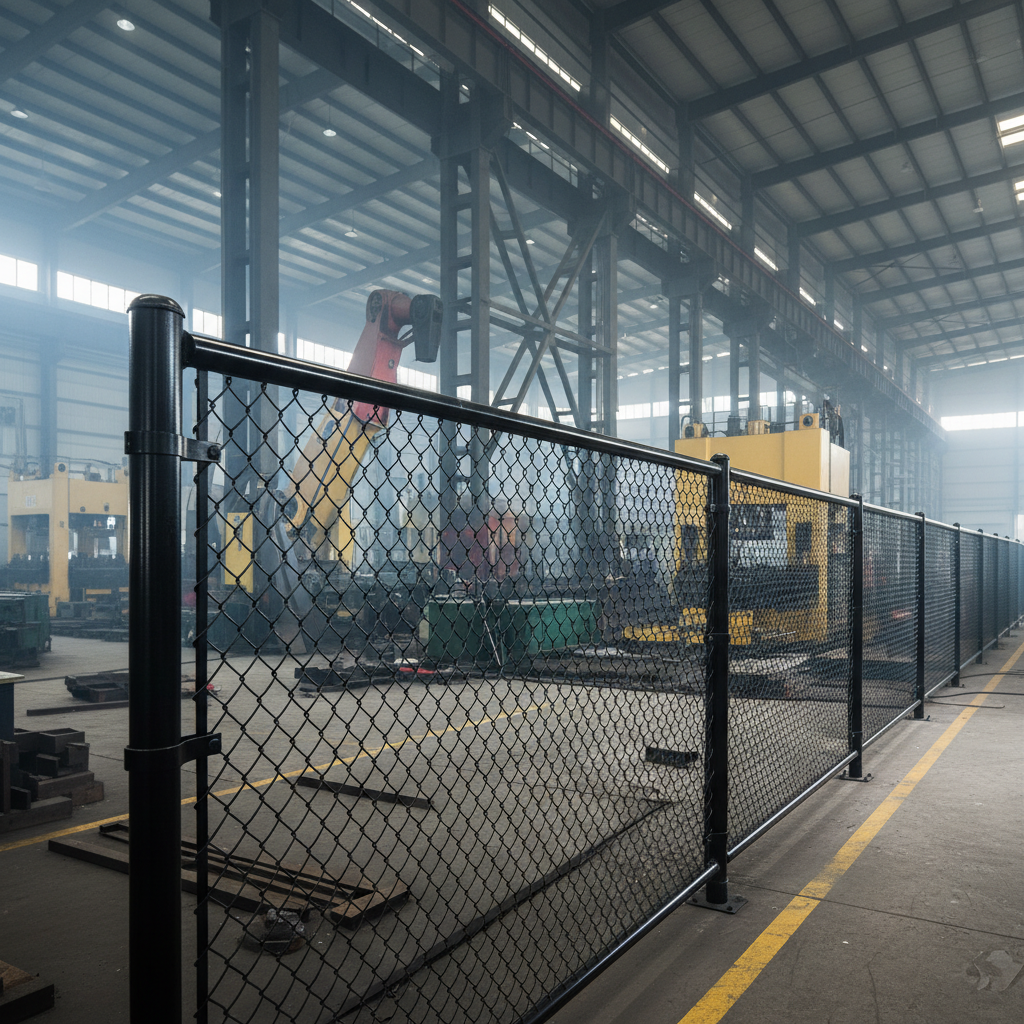
Securing a perimeter requires more than just a physical barrier; it demands a psychological and structural deterrent. For high-security zones, galvanised anti climb fencing has emerged as the industry standard, blending metallurgical durability with a geometry specifically designed to eliminate footholds and finger-holds.
Unlike traditional chain link systems, these specialized structures utilize tight mesh apertures and rigid frameworks to prevent unauthorized scaling. The integration of hot-dip galvanization ensures that these barriers remain structuraly sound even in corrosive industrial environments or extreme northern climates, where oxidation typically weakens standard steel.
Understanding the technical trade-offs between different anti-climb specifications is critical for facility managers and procurement officers. This guide examines the engineering principles and implementation strategies that make these systems an essential investment for critical infrastructure protection.

Engineering the Deterrent: How Anti-Climb Mesh Works

The primary objective of an anti-climb system is the removal of "leverage points." In standard fencing, the gaps are often large enough to provide a foothold for a boot or a grip for a hand. By reducing the aperture size—typically to a square mesh of 50mm x 50mm or smaller—the fence becomes virtually impossible to climb without specialized equipment.
Beyond the mesh size, the rigidity of the panel is a key factor. A fence that flexes allows a climber to create their own tension or lean their body weight against the structure to gain height. Heavy-duty welded mesh, such as 9 gauge (3.5mm) galvanized steel, provides the necessary stiffness to repel these attempts.
Furthermore, the interaction between the frame and the mesh is critical. High-security designs utilize reinforced corner welds and gusset plates to ensure that the panels do not warp under pressure, maintaining the integrity of the anti-climb geometry across the entire perimeter.
Core Technical Specifications and Material Integrity
Material selection is where the longevity of the security system is decided. The use of galvanized steel is not merely for aesthetics but for systemic survival. CSA A660 compliant corrosion protection provides a zinc layer that acts as a sacrificial anode, protecting the inner steel core from rust in humid or salty environments.
A typical high-performance panel features a 1-5/8" or 1-1/4" diameter steel framework. When combined with a 9 gauge welded mesh, the resulting structure is capable of withstanding significant impact and intentional tampering. The interlocking panel system with patented connectors further ensures there are no gaps or weak points where a tool could be inserted to pry the fence open.
For environments with extreme temperature fluctuations, such as Canadian winters ranging from -40°C to +40°C, the triple-layer protection—comprising galvanization and optional powder coating—prevents the brittle fractures that often plague low-grade carbon steel fences.
High-Risk Application Scenarios for Permanent Security
Industrial sites and resource extraction zones represent the most demanding environments for perimeter security. In mining operations, the fence must not only deter intruders but also restrict access to hazardous zones where unauthorized entry could lead to fatal accidents. The durability of galvanized anti-climb systems makes them ideal for these remote, harsh locations.
Construction sites also benefit significantly from these systems, particularly during the mid-to-late stages of development. By utilizing an OSHA-compliant anti-climb design, contractors can mitigate the risk of theft and vandalism while ensuring that pedestrians are safely diverted from dangerous work zones.
Additionally, event venues utilize these barriers for crowd control and backstage security. The ability to deploy these as either freestanding or anchored configurations allows for rapid adaptation to the flow of people, ensuring that VIP areas or technical equipment remain inaccessible to the general public.
Performance Benchmarks: Anti-Climb vs Standard Barriers
When evaluating the effectiveness of a security perimeter, the metric is often "time-to-breach." Standard chain link fences provide minimal resistance to a determined climber, whereas anti-climb mesh significantly increases the time and effort required to scale the wall, thereby increasing the probability of detection by security personnel.
The following data compares the performance of standard industrial fencing against high-spec galvanized anti-climb systems across five critical security and durability dimensions.
galvanised anti climb fencing Performance Metrics
As illustrated, the anti-climb solution offers a drastic improvement in climbing resistance and corrosion longevity. While the initial investment may be higher, the reduction in maintenance costs and the increased security threshold provide a superior return on investment for high-value assets.
Procurement Strategies for Long-Term Infrastructure Security
Selecting the right supplier for security fencing requires a focus on certification and production capacity. Procurement officers should look for CSA A660 compliance, as this ensures the galvanization process meets North American standards for corrosion protection, which is vital for assets intended for a 10-year service life.
Customization is another critical factor. Standard panels are often 6' high by 8' wide, but high-security zones may require heights up to 10' to effectively negate the use of small ladders. Ensuring the manufacturer can provide adjustable base plates and ground anchors is essential for maintaining stability on uneven terrain.
Furthermore, the logistics of transport should be considered. Stackable panel designs significantly reduce shipping costs and facilitate faster on-site installation, which is particularly important for temporary security needs at large-scale construction sites.
Innovations in Corrosion Resistance and Modular Design
The future of perimeter security is moving toward hybrid modularity. New systems are integrating smart sensors with galvanized anti-climb frameworks, allowing for real-time breach detection. This combines the physical deterrent of the mesh with the active monitoring of electronic security.
Material science is also evolving, with the introduction of advanced powder coatings over galvanized layers. This "duplex system" not only adds a color layer for aesthetic requirements—such as blending into a corporate campus—but also doubles the corrosion resistance compared to galvanization alone.
We are also seeing a shift toward tool-free interlocking mechanisms. These patented connectors allow for rapid reconfiguration of security zones without compromising the structural rigidity of the fence, making the systems more versatile for dynamic operational environments.
Comparative Analysis for Security Perimeter Selection
Choosing the correct fencing solution depends on the specific threat model of the facility. While a livestock fence is sufficient for animal containment, it offers zero security against human intruders. Conversely, a full anti-climb system may be overkill for low-risk boundaries.
The following table compares the most common security and boundary solutions to help facility managers align their product choice with their risk assessment.
| Solution Type | Climb Resistance | Primary Use Case | Maintenance Needs |
|---|---|---|---|
| Standard Chain Link | Low | General Boundary | Moderate (Rust prone) |
| Anti-Climb Mesh | Extreme | High-Security Zones | Low (Galvanized) |
| Tubular Metal Fence | Medium | Pedestrian Control | Low (Powder Coated) |
| Livestock Panel | None | Agricultural Use | High (Wear & Tear) |
| Temporary Barrier | Low/Medium | Short-term Events | Minimal (Disposable) |
| Permanent Security | High | Critical Infrastructure | Very Low (Industrial) |
For those requiring the highest level of deterrence, the permanent anti-climb solution remains the most viable option. Users evaluating these systems can review the relevant product and company information available through www.sysecurityfence.com to find the optimal configuration for their site.
Frequently Asked Questions
Conclusion
Implementing a galvanized anti-climb fencing system is a strategic decision that prioritizes long-term asset protection over short-term cost savings. By removing the physical possibility of climbing and ensuring metallurgical resistance to the elements, these systems provide a reliable first line of defense for any high-risk perimeter.
Whether for industrial mining, urban construction, or critical infrastructure, the combination of high-gauge welded mesh and professional-grade galvanization ensures that security is maintained without the need for constant manual surveillance or frequent repairs. For customized security configurations, interested parties may visit www.sysecurityfence.com.