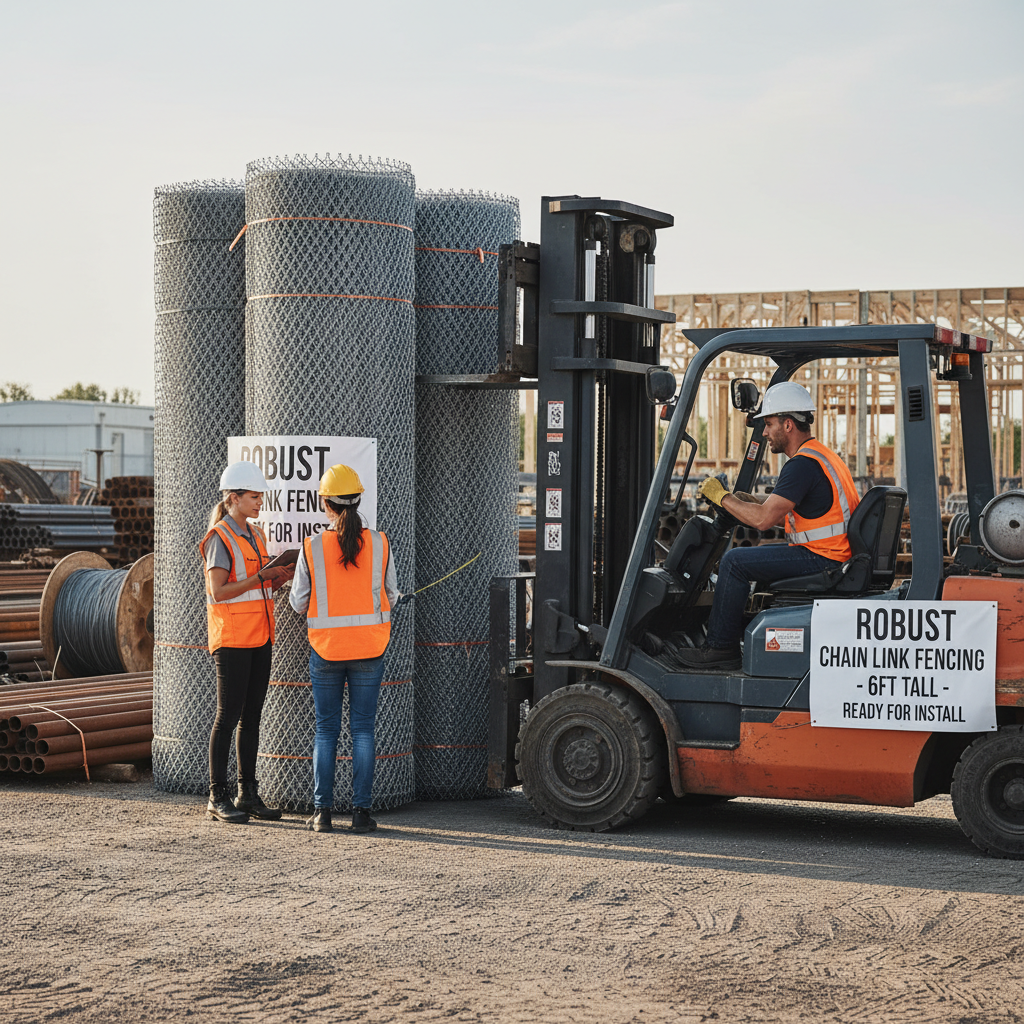
A wireworks anti climb fence is a specialized high-security perimeter barrier engineered specifically to prevent unauthorized scaling. Unlike standard chain link fences, these systems utilize a tight mesh aperture and specific wire geometries that eliminate the finger and toe holds necessary for climbing, providing a formidable physical deterrent for sensitive sites.
In high-security environments, traditional fencing often fails because intruders can easily find grip points. This vulnerability necessitates a transition toward advanced wireworks solutions that combine tensile strength with anti-climb architecture, ensuring that security is not compromised by the physical limitations of the mesh design.
This technical analysis explores the engineering principles, material composition, and strategic deployment of anti-climb fencing. Readers will gain a comprehensive understanding of how to select the right security grade, evaluate performance metrics, and implement a durable perimeter solution that minimizes risk and maintenance.

1Engineering Principles of Anti-Climb Design

The core efficacy of a wireworks anti climb fence lies in its aperture size and wire gauge. By reducing the gap between wires, the fence prevents the insertion of fingers or toes, which effectively removes the leverage an intruder needs to ascend. This design philosophy shifts the fence from a mere boundary marker to an active security tool that creates a psychological and physical barrier.
Furthermore, the rigidity of the mesh is critical. A flexible fence can be pulled or manipulated to create openings; however, high-tensile wireworks systems are designed to remain taut under pressure. This rigidity ensures that the anti-climb properties are maintained across the entire span of the perimeter, regardless of external force.
From a structural perspective, the integration of reinforced posts and tensioning rails prevents the mesh from sagging. When the fence is perfectly aligned and tensioned, it offers no protruding elements that could be used as steps, forcing potential intruders to seek alternative, more detectable entry points.
2Material Specifications and Corrosion Protection
Durability in security fencing is achieved through high-grade carbon steel wire, drawn to precise thicknesses to ensure uniform strength. The structural integrity depends on the tensile strength of the steel, which must withstand both environmental stress and attempted breaches without permanent deformation.
To combat corrosion, two primary treatments are utilized. Hot-dip galvanization involves immersing the steel in molten zinc, creating a metallurgical bond that provides long-term protection. For environments requiring higher aesthetic customization or extreme weather resistance, PVC or vinyl coatings are applied over the galvanized core, adding an extra layer of insulation against moisture.
The framework, including posts and rails, typically matches the mesh treatment to ensure consistent longevity. By using compatible materials across the entire system, the risk of galvanic corrosion—where two different metals react—is eliminated, extending the operational lifespan of the fence to several decades with minimal upkeep.
3Critical Application Scenarios and Use Cases
Wireworks anti climb fences are deployed where the cost of a security breach is high. In industrial sites, such as warehouses and factories, these fences protect high-value inventory and hazardous materials from unauthorized access, ensuring that perimeter security is not the weakest link in the safety chain.
Public infrastructure, including airports, power substations, and water treatment plants, requires a level of security that exceeds standard residential fencing. In these scenarios, the anti-climb mesh is often combined with top-rail security enhancements like barbed wire or razor coils to create a multi-layered defense system.
Agricultural applications also benefit from these systems, particularly for high-value livestock containment or protecting crops from large animals. The strength of the wire prevents animals from pushing through, while the anti-climb nature prevents human intrusion into protected agricultural zones.
4Security Performance and Efficacy Metrics
Evaluating the performance of an anti-climb system involves measuring the "delay time"—the amount of time it takes for an intruder to breach the perimeter. A high-quality wireworks system significantly increases this window, allowing security personnel more time to detect and respond to an alarm.
The efficacy is further measured by the resistance to cutting and manipulation. High-tensile steel requires specialized tools to breach, unlike standard wire which can be cut with basic pliers. This material hardness, combined with the tight mesh, creates a high-friction surface that is difficult to grip.
wireworks anti climb fence Performance Metrics
As shown in the performance metrics, the anti-climb solution consistently outperforms industry averages in intrusion delay and climb resistance. This quantitative advantage translates directly into lower risk profiles for facilities managing sensitive data or expensive equipment.
5Procurement Standards and Selection Criteria
When procuring a wireworks anti climb fence, decision-makers must prioritize the balance between security level and budget. The first step is defining the "Threat Level"—whether the fence is meant to deter casual trespassers or withstand determined professional intruders.
Key selection criteria include the mesh aperture size and the wire gauge. A smaller aperture increases security but can increase material costs. Similarly, a thicker wire gauge enhances strength and cutting resistance but may require more robust posting and installation equipment.
Compatibility with existing security electronics is another critical factor. Ensure that the fence design does not create "blind spots" for CCTV cameras and that the structural layout allows for the integration of vibration sensors or fiber-optic intrusion detection systems along the mesh.
6Maintenance Strategies for Long-Term Integrity
While anti-climb fences are designed for low maintenance, regular inspections are necessary to ensure the system's integrity. The primary focus should be on the tension of the mesh; any sagging can create gaps that might be exploited by intruders or allow vegetation to grow through and weaken the wire.
Corrosion monitoring is the second pillar of maintenance. Even galvanized steel can suffer from localized damage due to mechanical impact or chemical exposure. Identifying "rust spots" early allows for localized treatment, preventing the spread of oxidation to the rest of the structure.
Finally, the stability of the posts must be verified annually. Ground shifting or extreme weather can loosen the concrete footings. Re-leveling and tightening the tension bands ensures that the fence remains a rigid, impenetrable barrier over its entire operational life.
7Comparing Anti-Climb Mesh vs. Traditional Fencing
Choosing between a traditional chain link fence and a wireworks anti climb fence depends on the specific security requirements of the site. Traditional fencing is often sufficient for boundary marking, but it offers minimal resistance to scaling.
The anti-climb variant is an investment in risk mitigation. By analyzing factors such as climb resistance and the frequency of maintenance, it becomes clear that the higher initial cost of anti-climb systems is offset by the reduction in security breaches and lower long-term repair needs.
| Feature | Traditional Chain Link | Anti-Climb Wireworks | Security Impact |
|---|---|---|---|
| Aperture Size | Large (50mm+) | Small ( | High Resistance |
| Climbing Ease | High (Easy Grip) | Very Low (No Grip) | Deterrence |
| Cutting Risk | Moderate | Low (High Tensile) | Increased Delay |
| Initial Cost | Low | Moderate to High | Investment |
| Maintenance | Frequent Tightening | Low/Occasional | Long-term Value |
| Visibility | High | High | Balanced |
Ultimately, for any facility where unauthorized entry poses a significant threat, the transition to an anti-climb architecture is a technical necessity. The combination of material strength and geometric deterrence provides a level of security that standard fencing cannot achieve.
Frequently Asked Questions
Conclusion
The implementation of a wireworks anti climb fence represents a strategic shift from passive boundary marking to active perimeter defense. By leveraging tight aperture geometries and high-tensile materials, these systems effectively neutralize the most common method of unauthorized entry: scaling. Whether protecting critical infrastructure, industrial assets, or high-value livestock, the anti-climb approach provides a quantifiable increase in security and a significant reduction in operational risk.
For organizations evaluating the best perimeter solution for their specific site requirements, reviewing technical specifications and material certifications is essential. Those seeking durable, high-security fencing options can explore professional configurations and product details at www.sysecurityfence.com.