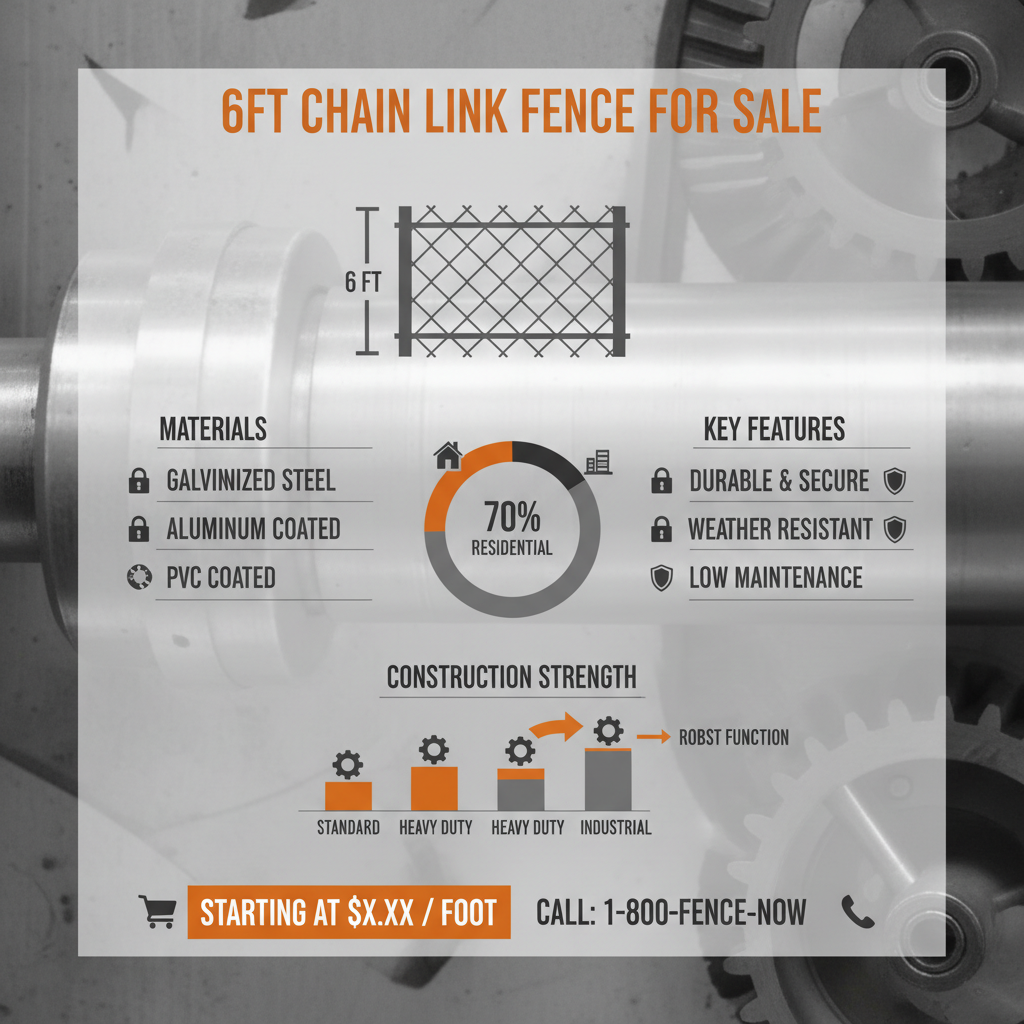
Aluminium chain link fence systems are increasingly vital components of modern security and perimeter control, offering a lightweight yet robust solution for a diverse range of applications. From securing industrial sites to defining residential boundaries, their adaptability and cost-effectiveness have cemented their position in the global fencing market. Understanding the nuances of aluminium chain link fence – its manufacturing processes, material properties, and installation techniques – is crucial for professionals and end-users alike seeking long-lasting and reliable perimeter solutions.
The demand for aluminium chain link fence stems from a growing need for security coupled with aesthetic appeal and environmental considerations. Traditional steel fencing, while strong, is prone to corrosion and requires significant maintenance. Aluminium, conversely, offers inherent corrosion resistance, reducing lifecycle costs and minimizing environmental impact. This makes it a particularly attractive option in coastal areas or regions with harsh weather conditions, driving its global adoption.
Furthermore, the versatility of aluminium chain link fence allows for customization in height, mesh size, and colour, enabling it to integrate seamlessly into various environments. Ongoing advancements in aluminium alloys and coating technologies continue to enhance its performance characteristics, solidifying its relevance in a rapidly evolving security landscape.
The Core Principles of aluminium chain link fence
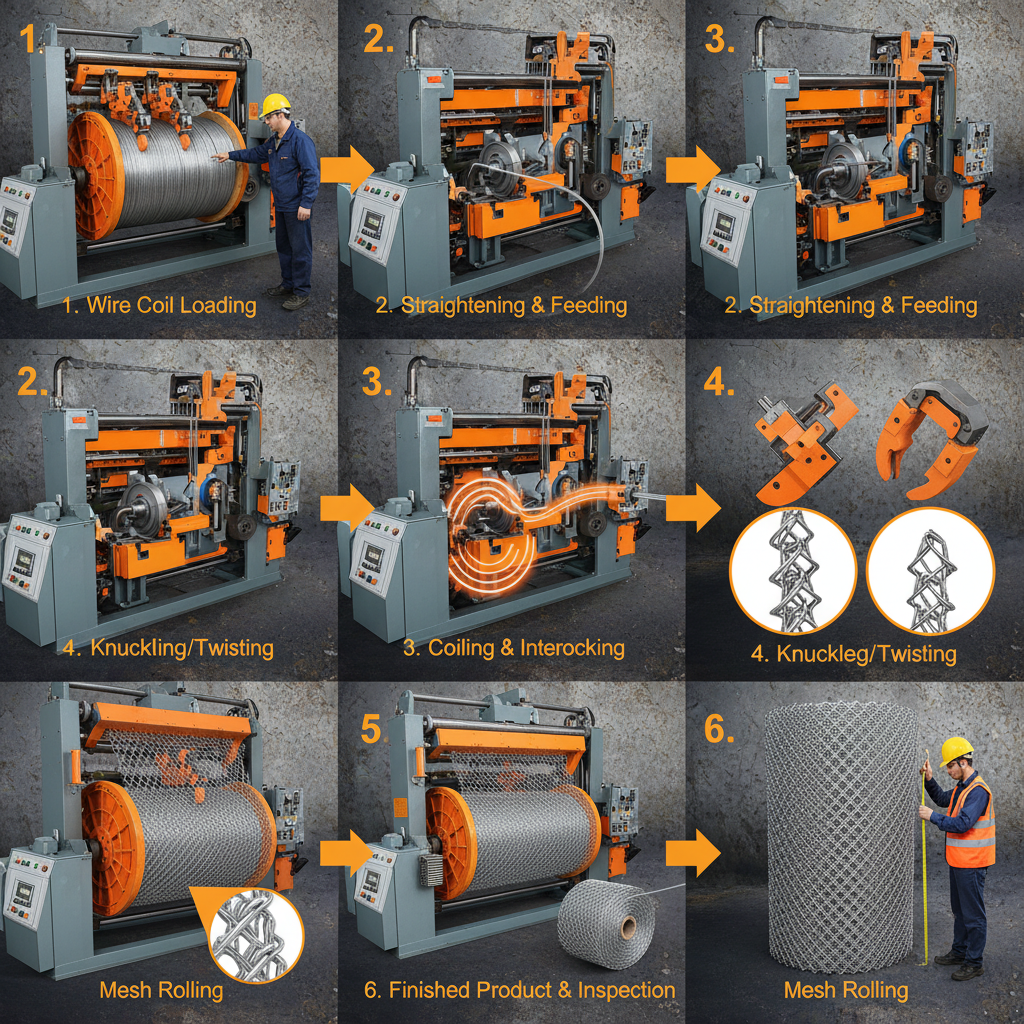
At its core, aluminium chain link fence operates on the principle of creating a secure perimeter through an interconnected network of woven aluminium wires. The strength derives not only from the material itself but also from the interlocking design, distributing force and resisting deformation. Understanding the wire gauge, mesh size, and the quality of the weaving process are all essential factors influencing the overall security and longevity of the fence.
The selection of appropriate aluminium alloys is crucial. Commonly used alloys include 6061 and 5052, chosen for their high strength-to-weight ratio and exceptional corrosion resistance. Furthermore, the coating applied to the aluminium wire – typically vinyl or powder coating – plays a vital role in protecting the metal from environmental degradation and enhancing its aesthetic appeal.
The Global Landscape of aluminium chain link fence
The global aluminium chain link fence market is experiencing steady growth, driven by increased infrastructure development, growing security concerns, and a rising preference for sustainable materials. North America and Europe represent significant markets due to their established construction sectors and stringent security regulations. Emerging economies in Asia-Pacific and Latin America are also witnessing substantial demand, fueled by rapid urbanization and industrial expansion.
According to recent industry reports, the global fencing market was valued at approximately $55 billion in 2023 and is projected to reach $70 billion by 2028, with aluminium chain link fence accounting for a considerable share of this growth. Factors contributing to this expansion include increasing investments in border security, rising demand for perimeter protection in commercial and industrial facilities, and a growing emphasis on residential security.
International standards such as ASTM International and ISO guidelines play a crucial role in ensuring the quality and performance of aluminium chain link fence products. Compliance with these standards is essential for manufacturers seeking to export their products to various global markets, fostering trust and reliability among consumers.
Defining aluminium chain link fence: Applications and Standards
Aluminium chain link fence is a woven mesh fencing material constructed from interlocked aluminium wires. It’s characterized by its diamond-shaped pattern and is commonly used for security, containment, and aesthetic purposes. Its primary function is to provide a visible and physical barrier, deterring unauthorized access and ensuring perimeter control. This type of fencing is an excellent alternative to steel, offering significant advantages in terms of weight, corrosion resistance, and cost.
The applications of aluminium chain link fence are remarkably diverse. It is widely used in residential properties to demarcate boundaries and provide security for yards and gardens. Commercially, it’s employed in industrial facilities, schools, parks, and sports fields to secure perimeters and control access. Specific industries rely on it heavily, including airports for security fencing and animal control facilities for enclosure solutions.
Several industry standards govern the production and installation of aluminium chain link fence. ASTM A975 covers the specifications for aluminium and aluminium alloy chain-link fabric, while ASTM A120 defines the requirements for galvanised steel and aluminium coatings. Adherence to these standards ensures the quality, durability, and long-term performance of the fencing system.
Key Performance Characteristics of aluminium chain link fence
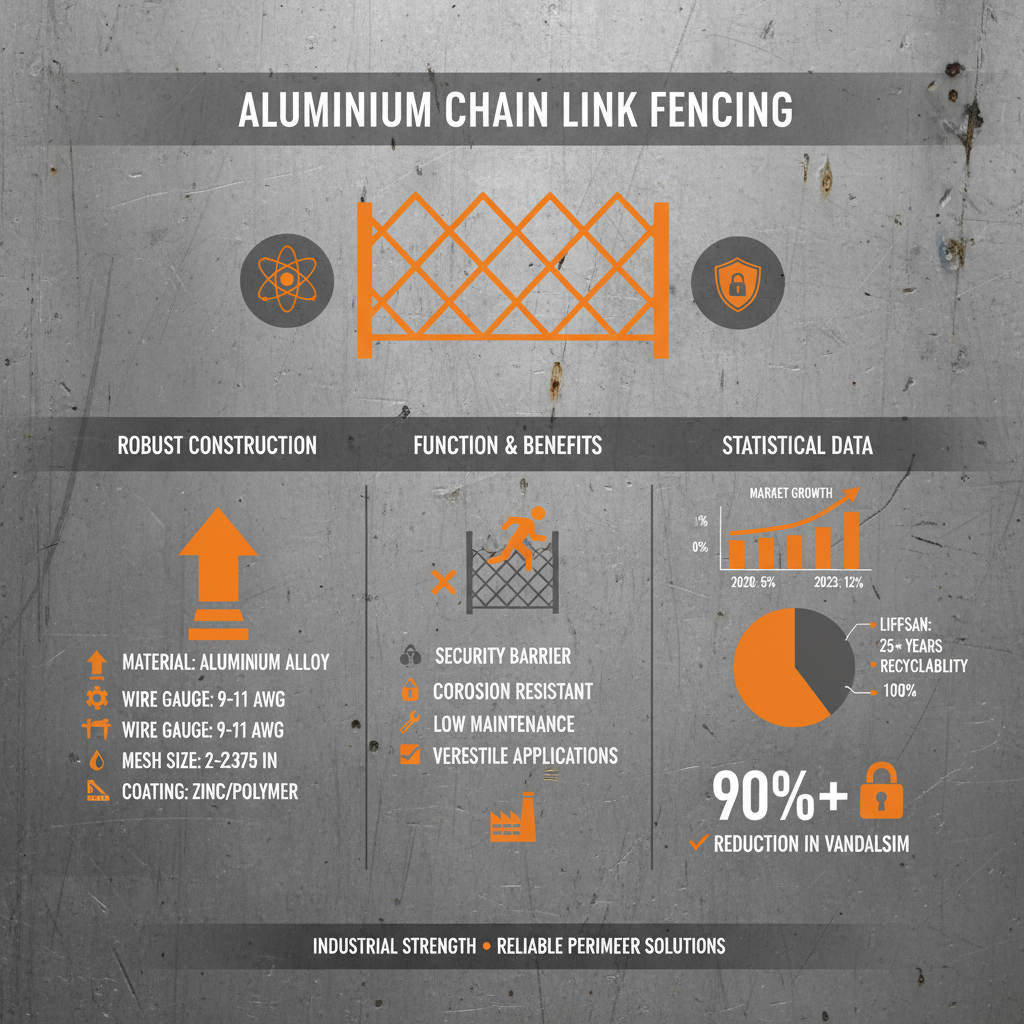
One of the most significant advantages of aluminium chain link fence is its inherent corrosion resistance. Unlike steel, aluminium doesn’t rust, making it ideal for coastal environments, industrial areas exposed to harsh chemicals, or regions with high humidity. This reduces maintenance costs and extends the lifespan of the fence significantly.
Another critical characteristic is its lightweight nature. Aluminium is considerably lighter than steel, simplifying installation and reducing the structural support required. This can translate into cost savings in projects where extensive foundation work is needed.
Aluminium Chain Link Fence Performance Metrics
Real-World Applications of aluminium chain link fence
Aluminium chain link fence is a common sight in residential neighbourhoods, providing a secure yet aesthetically pleasing boundary for homes and gardens. Its versatility allows it to blend into various landscaping designs, enhancing property value and offering peace of mind.
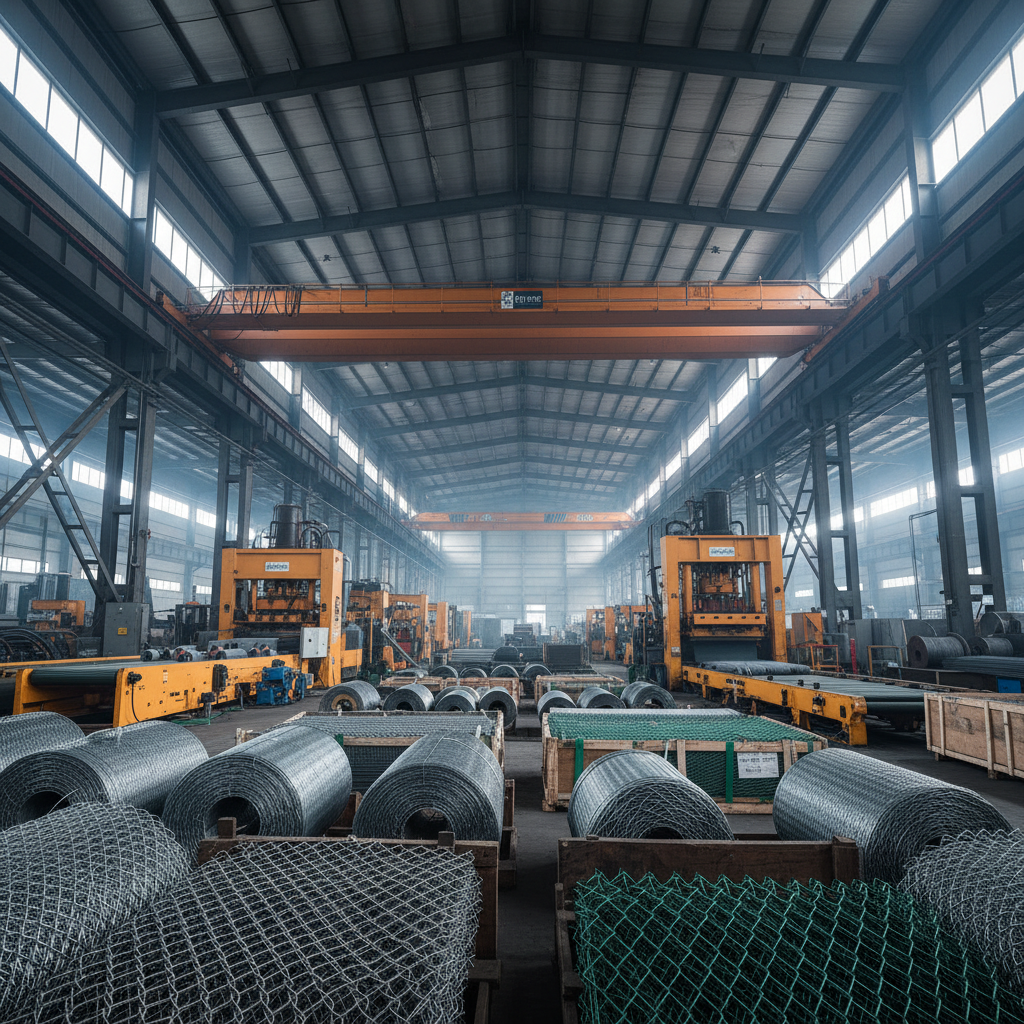
In the commercial sector, particularly in industrial parks and manufacturing facilities, aluminium chain link fence serves as a robust perimeter security solution, protecting valuable assets and deterring unauthorized access. Its durability and low maintenance requirements make it a cost-effective choice for large-scale installations.
The Long-Term Value Proposition of aluminium chain link fence
Investing in aluminium chain link fence translates to significant long-term cost savings. The reduced need for maintenance, due to its corrosion resistance, eliminates the expenses associated with painting, repairing rust, or replacing damaged sections. This makes it a more financially prudent option compared to steel fencing over its lifespan.
Beyond economic benefits, aluminium chain link fence contributes to sustainability. Aluminium is a highly recyclable material, minimizing its environmental impact. Choosing aluminium fencing supports responsible resource management and reduces the demand for virgin materials, aligning with environmentally conscious practices.
The inherent security provided by a well-installed aluminium chain link fence offers peace of mind to property owners and businesses, safeguarding their assets and protecting against potential threats. This intangible benefit contributes significantly to the overall value proposition.
Future Trends and Innovations in aluminium chain link fence
Ongoing research and development are focused on enhancing the performance and aesthetic appeal of aluminium chain link fence. New alloy formulations are being explored to further increase strength and durability, while advancements in powder coating technologies are expanding colour options and improving UV resistance.
The integration of smart technologies into aluminium chain link fence systems is also gaining momentum. Sensors and monitoring devices can be incorporated into the fencing structure to provide real-time alerts for intrusion attempts or potential breaches, enhancing security capabilities.
Sustainability remains a key driver of innovation. The use of recycled aluminium in the manufacturing process is becoming increasingly prevalent, reducing the environmental footprint of aluminium chain link fence and promoting a circular economy.
Summary of Factors Influencing Aluminium Chain Link Fence Performance
| Alloy Composition |
Coating Quality |
Installation Technique |
Environmental Exposure |
| 6061-T6 (High Strength) |
Powder Coating (Excellent UV Resistance) |
Professional Installation with Proper Tensioning |
Coastal Environment (High Salt Exposure) |
| 5052 (Excellent Corrosion Resistance) |
Vinyl Coating (Good Aesthetic Appeal) |
DIY Installation (Moderate Tensioning) |
Urban Environment (Moderate Pollution) |
| 3003 (Good Workability) |
Galvanized Coating (Basic Protection) |
Minimal Support Posts (Reduced Structural Integrity) |
Rural Environment (Low Pollution) |
| 6061-T6 (Enhanced Strength) |
Two-Coat Powder Coating (Superior Durability) |
Reinforced Support System (Increased Stability) |
Industrial Environment (High Chemical Exposure) |
| 5052 (Optimal Corrosion Protection) |
Electrostatic Powder Coating (Uniform Coverage) |
Precise Post Spacing (Optimal Tension Distribution) |
Mountainous Region (Extreme Weather Conditions) |
| 3003 (Cost-Effective Solution) |
Basic PVC Coating (Limited Protection) |
Insufficient Post Depth (Reduced Wind Resistance) |
Desert Climate (Intense Sunlight and Heat) |
FAQS
Aluminium chain link fence offers several advantages over steel, most notably its corrosion resistance. Unlike steel, aluminium won’t rust, making it ideal for coastal areas or environments exposed to harsh chemicals. It’s also significantly lighter, simplifying installation and reducing structural support requirements. Finally, aluminium is a highly recyclable material, contributing to sustainable practices.
The gauge of the aluminium wire directly relates to the strength and security of the fence. A lower gauge number indicates a thicker wire, offering greater resistance to cutting and deformation. For high-security applications, a lower gauge (e.g., 9 gauge) is recommended, while lighter-duty applications may suffice with a higher gauge (e.g., 14 gauge). Choosing the appropriate gauge depends on the specific security requirements.
Common coatings for aluminium chain link fence include vinyl and powder coating. Vinyl coating provides a durable, flexible finish that’s resistant to chipping and fading. Powder coating offers a more robust and environmentally friendly alternative, providing excellent UV resistance and a wider range of colour options. Both coatings enhance the aesthetic appeal and protect the aluminium from corrosion.
With proper installation and maintenance, an aluminium chain link fence can easily last 20-30 years or even longer. The inherent corrosion resistance of aluminium significantly extends its lifespan compared to steel. Regular cleaning to remove dirt and debris will further enhance its durability and aesthetic appearance. The quality of the coating also plays a role in longevity.
Yes, aluminium chain link fence is often used for animal enclosures, particularly for smaller animals. However, the appropriate mesh size and gauge must be selected based on the animal species and their potential for escaping or damaging the fence. For larger or more determined animals, a heavier gauge and smaller mesh size are recommended to ensure containment.
Generally, aluminium chain link fence has a higher upfront material cost compared to galvanised steel. However, when considering the long-term lifecycle costs, aluminium often proves more economical due to its lack of rust, reducing maintenance and replacement expenses. Installation costs may be similar, but aluminium’s lighter weight can sometimes reduce labour time and structural support requirements.
Conclusion
Aluminium chain link fence offers a compelling combination of security, durability, and cost-effectiveness, making it a versatile solution for a wide range of applications. Its inherent corrosion resistance, lightweight nature, and sustainable properties position it as a superior alternative to traditional steel fencing in many scenarios. From residential boundaries to industrial perimeters, it provides reliable protection and enhances property value.
Looking ahead, continued innovation in aluminium alloys, coating technologies, and smart fencing integrations will further expand the capabilities and appeal of aluminium chain link fence. By embracing sustainable practices and prioritizing long-term value, property owners and businesses can make informed decisions that enhance security, reduce environmental impact, and create lasting benefits. Visit our website: www.sysecurityfence.com to learn more about our aluminium chain link fence solutions.