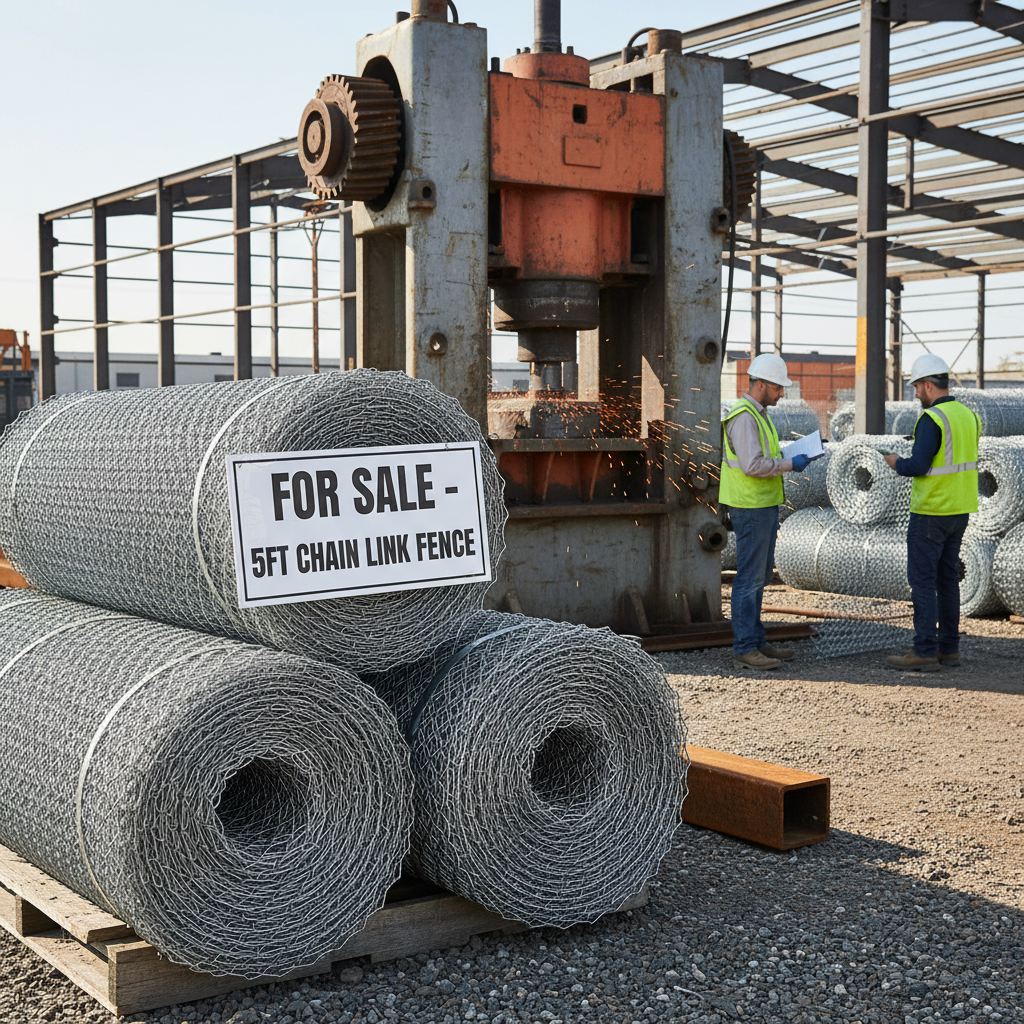
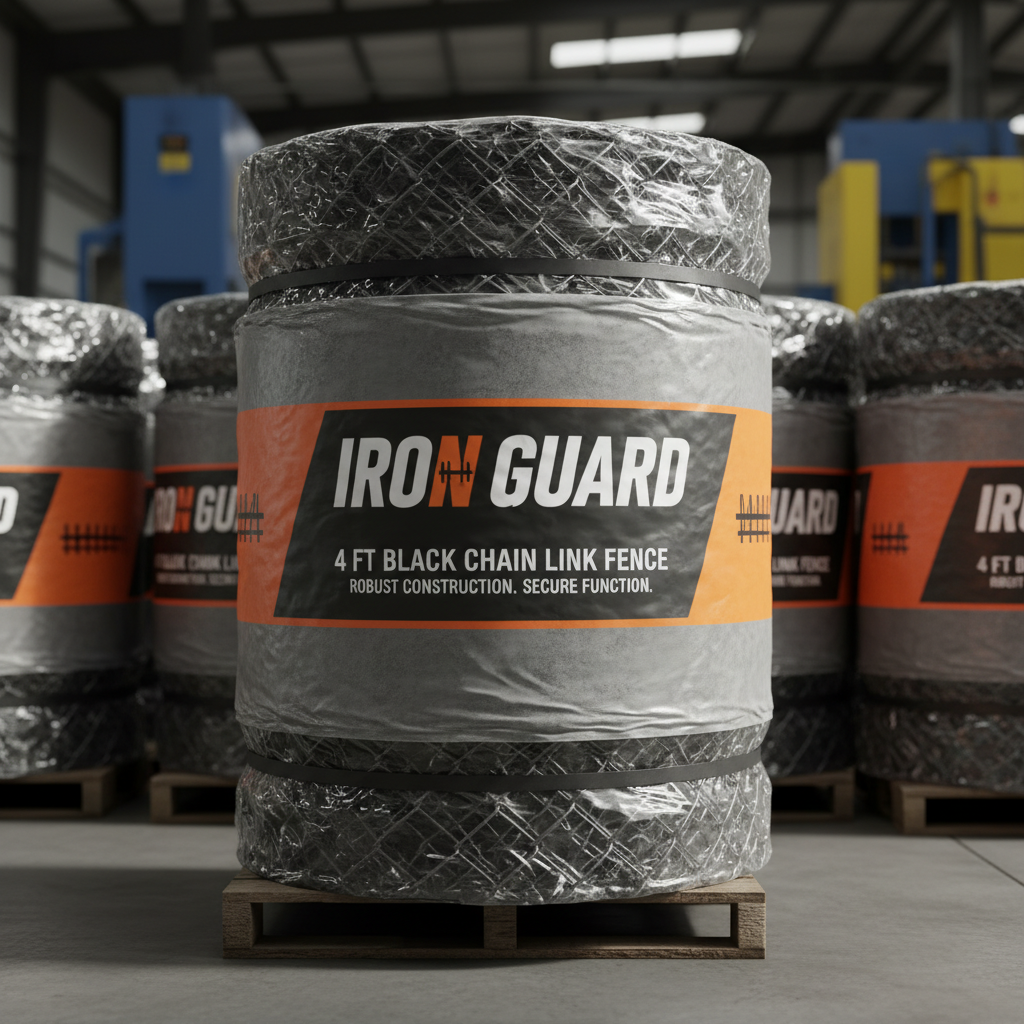
A chain link fence, a ubiquitous sight across diverse landscapes, represents more than just a physical barrier. It’s a testament to practical security, cost-effectiveness, and widespread accessibility. From safeguarding residential properties to delineating industrial zones and providing temporary enclosures during events, a chain link fence serves a critical function in modern society. Understanding its construction, applications, and evolving innovations is crucial for anyone involved in security, construction, or land management.
Globally, the demand for fencing solutions, particularly a chain link fence, is substantial and continuously growing. According to market research reports, the global fencing market is projected to reach billions of dollars in the coming years, driven by factors like increasing urbanization, heightened security concerns, and infrastructure development. The simplicity and adaptability of a chain link fence make it a preferred choice in numerous applications, particularly in regions with limited budgets or demanding environmental conditions.
However, challenges remain, including the need for corrosion resistance, enhanced aesthetic appeal, and sustainable manufacturing practices. The evolution of a chain link fence technology addresses these issues, offering improved materials, coatings, and installation techniques, reinforcing its position as a reliable and versatile security solution worldwide.
The Fundamentals of a chain link fence
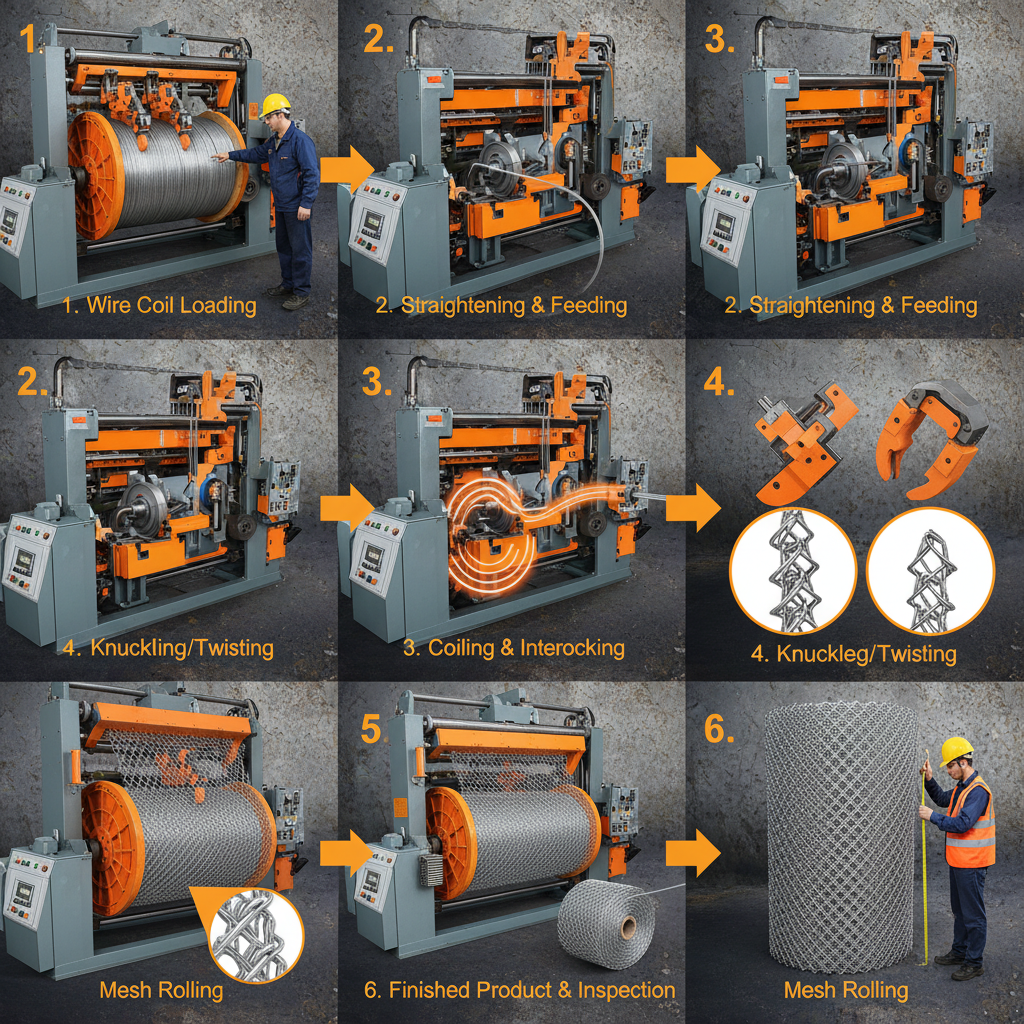
At its core, a chain link fence consists of woven steel wires, forming a diamond-shaped pattern. This construction provides a balance of strength, flexibility, and affordability. The components include the fabric (the woven wire mesh), posts (typically steel or aluminum), rails (horizontal supports between posts), tension bands, and fittings like ties and caps. The gauge of the wire and the post size determine the overall strength and durability of the fence.
Proper installation is crucial for the longevity and effectiveness of a chain link fence. Factors like post spacing, tensioning of the fabric, and securing the fittings all contribute to its structural integrity. Regular maintenance, such as checking for corrosion and tightening loose connections, can significantly extend its lifespan and ensure it continues to provide reliable security.
Defining a chain link fence and Its Relevance
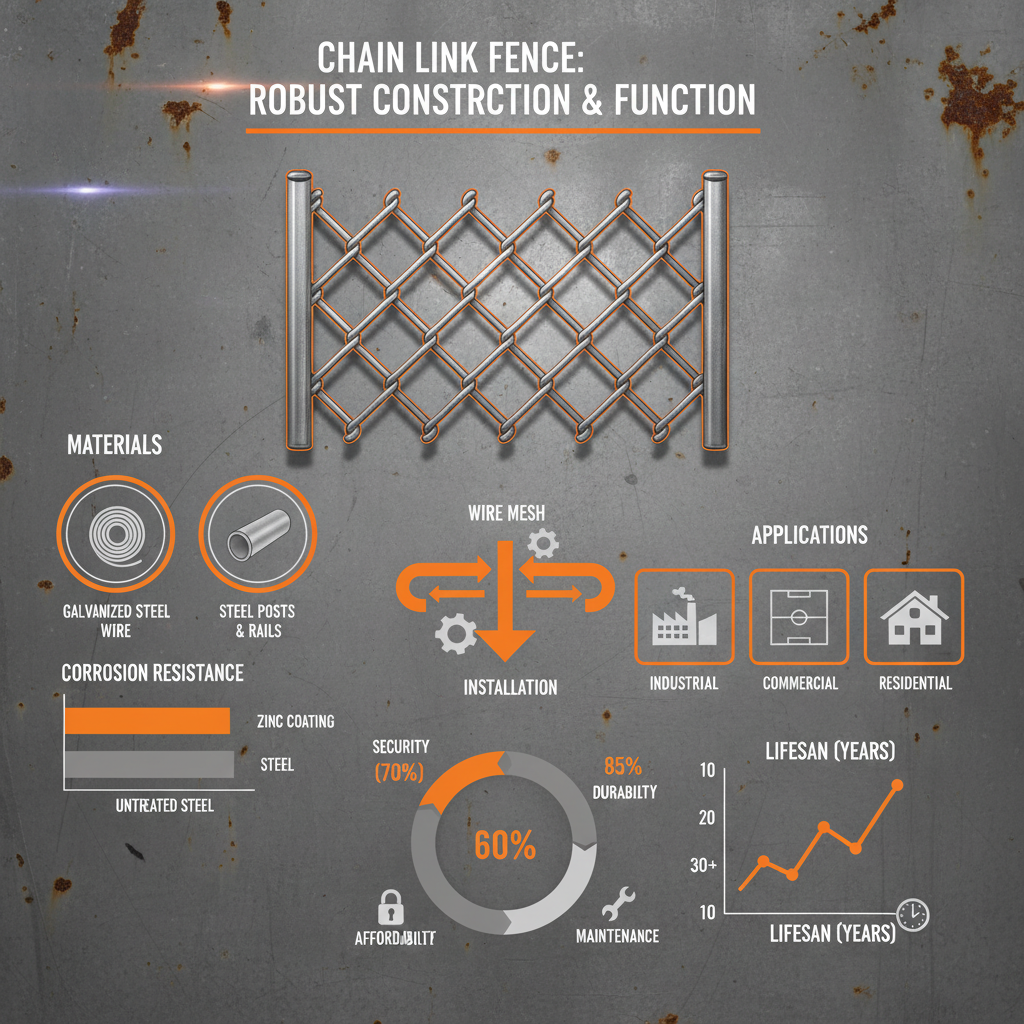
A chain link fence, also known as hurricane fence, wire mesh fence, or cyclone fence, is a woven fence typically constructed from galvanized steel wire. Its defining characteristic is the interlocking diamond pattern created by bending the wires. This construction offers a high strength-to-weight ratio, making it a practical and economical fencing solution. The galvanization process provides corrosion resistance, extending its usability in various climates.
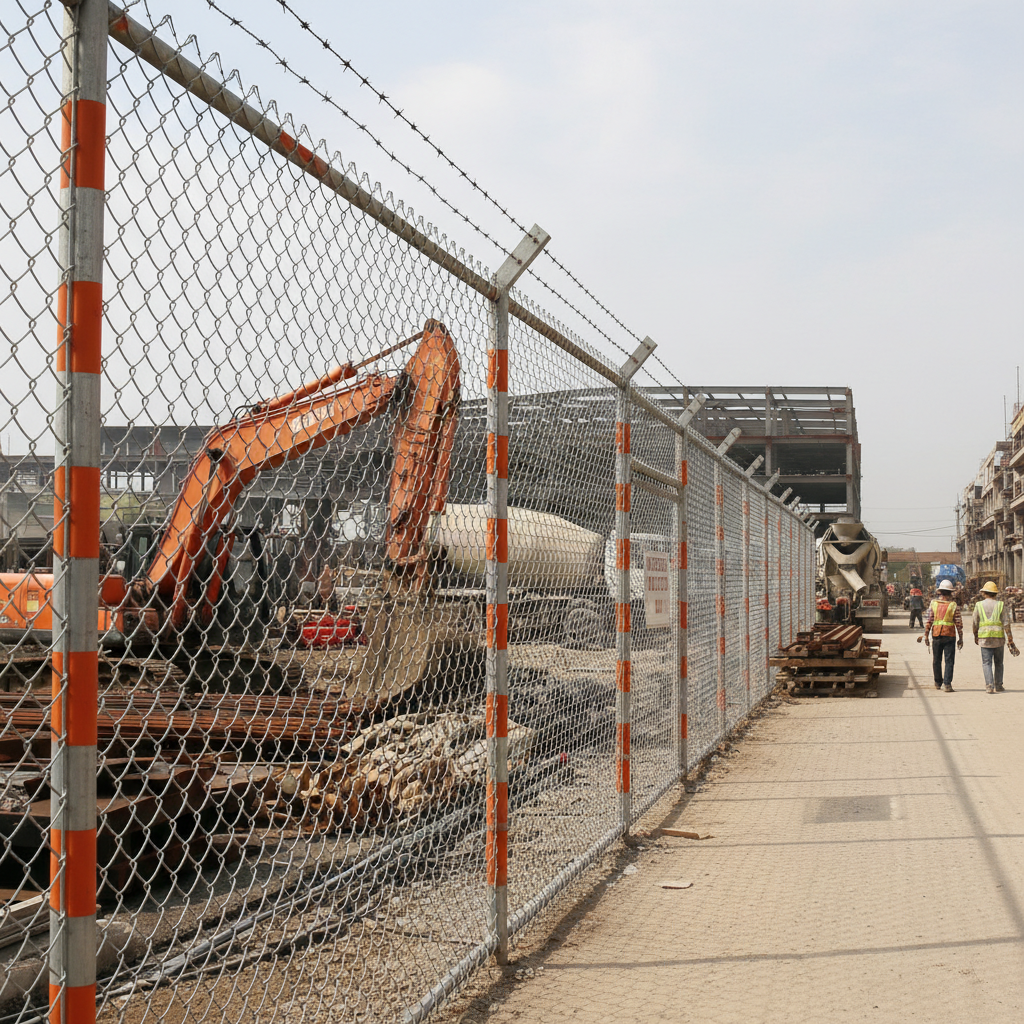
In modern industry, a chain link fence remains vital for security, perimeter control, and containment. Its application extends beyond basic property boundaries, finding use in industrial facilities, sporting venues, schools, and residential areas. The flexibility of the material allows it to conform to uneven terrain, simplifying installation and reducing costs.
Furthermore, a chain link fence plays a crucial role in humanitarian applications. Its rapid deployment capabilities make it ideal for creating temporary enclosures in disaster relief zones, refugee camps, or temporary event spaces. It provides a sense of security and order in chaotic situations, supporting aid efforts and protecting vulnerable populations.
Core Components and Characteristics of a chain link fence
Durability is a defining characteristic of a chain link fence. Galvanized steel wire resists corrosion, while heavier gauges offer increased strength. Proper installation and maintenance, including regular inspection and repair of damaged sections, further enhance its longevity. The fence’s ability to withstand harsh weather conditions and potential impact contributes to its long-term reliability.
Scalability is another key advantage. A chain link fence can be easily adapted to various heights and lengths, making it suitable for a wide range of applications. Adding height with additional fabric or top rails enhances security, while customizing the length ensures it fits the specific perimeter requirements. Gates can be seamlessly integrated into the fence line, providing controlled access points.
Cost efficiency is a significant factor driving the widespread adoption of a chain link fence. Compared to other fencing materials like wood or wrought iron, a chain link fence is considerably more affordable to purchase and install. This makes it an attractive option for budget-conscious individuals and organizations. The long lifespan and low maintenance requirements further contribute to its overall cost-effectiveness.
Key Advantages of Implementing a chain link fence
Security is paramount, and a chain link fence provides a robust deterrent against unauthorized access. While not impenetrable, its height and woven construction make it difficult to climb or breach. Adding security features like barbed wire or razor ribbon further enhances its protective capabilities.
Visibility is a notable advantage. Unlike solid fences, a chain link fence allows for clear visibility of the surrounding area, enhancing surveillance and deterring potential intruders. This is particularly important in commercial and industrial settings where monitoring activity is essential.
Comparative Analysis of a chain link fence Features
Global Applications of a chain link fence
In the United States, a chain link fence is commonly used for residential backyards, dog runs, and security perimeters around businesses. Schools frequently utilize it to define athletic fields and playgrounds. Across Europe, it’s employed in industrial areas and along railway lines.
In post-disaster relief operations, organizations like the Red Cross and UNHCR often deploy a chain link fence to create temporary shelters and secure distribution points. In remote industrial zones, particularly in mining or energy sectors, it serves as a cost-effective perimeter security solution. Agricultural applications include livestock containment and crop protection.
The Long-Term Value of a chain link fence
The tangible benefits of a chain link fence are numerous. The initial cost is relatively low, and the low maintenance requirements minimize ongoing expenses. Its durability ensures a long service life, maximizing the return on investment. Furthermore, a well-maintained chain link fence can increase property value by enhancing security and defining boundaries.
Beyond the economic advantages, a chain link fence provides peace of mind. Knowing that your property is secured by a reliable barrier enhances safety and reduces anxiety. It offers a sense of control and protection for your family, employees, or assets. The inherent trust in its established performance further contributes to its long-term value.
Future Trends in a chain link fence Technology
The development of new coating technologies is enhancing the corrosion resistance of a chain link fence, extending its lifespan in harsh environments. Powder coating options are becoming increasingly popular, offering a wider range of colors and improved aesthetic appeal.
Smart fencing systems, integrating sensors and IoT technology, are emerging. These systems can provide real-time alerts for breaches, monitor environmental conditions, and automate access control. The use of recycled materials in the manufacturing process is gaining traction, promoting sustainability and reducing environmental impact.
Automation in the installation process, utilizing specialized machinery and pre-fabricated components, is streamlining construction and reducing labor costs. These advancements are shaping the future of a chain link fence, making it a more sophisticated and versatile security solution.
Summary of a chain link fence Innovation Challenges
| Challenge Area |
Severity (1-10) |
Potential Solution |
Implementation Cost (USD) |
| Corrosion in Coastal Environments |
8 |
Advanced Polymer Coating |
5,000 |
| Aesthetic Appeal |
6 |
Powder Coating with Custom Colors |
2,000 |
| Vandalism and Cutting |
7 |
Integration with Intrusion Detection Systems |
10,000 |
| Environmental Impact of Galvanization |
5 |
Use of Recycled Steel and Eco-Friendly Coatings |
3,000 |
| Installation Labor Costs |
4 |
Pre-Fabricated Fence Panels |
7,000 |
| Limited Smart Integration |
6 |
Wireless Sensor Integration for Perimeter Monitoring |
8,000 |
FAQS
A properly installed and maintained galvanized chain link fence typically lasts 15-20 years, or even longer. The lifespan is influenced by factors like the quality of the galvanization, the climate, and the level of maintenance performed. Regular inspections for rust and prompt repairs can significantly extend its usability. Applying additional protective coatings can also prolong its life.
Rust prevention starts with a quality galvanized coating. Regularly inspect the fence for any breaks in the coating and repair them immediately. Applying a rust inhibitor or paint designed for galvanized metal can provide an additional layer of protection. Keeping the surrounding area clear of debris and vegetation can also help reduce moisture buildup and minimize corrosion.
While a standard chain link fence offers a good level of security, it can be enhanced for higher-security applications. Adding top rail extensions, barbed wire, razor ribbon, or security mesh significantly increases its resistance to intrusion. Integrating the fence with security systems like alarms and surveillance cameras further strengthens perimeter protection.
The recommended post spacing for a chain link fence typically ranges from 8 to 10 feet. However, this can vary depending on the height of the fence, the gauge of the wire, and local wind conditions. Shorter post spacing provides greater stability, especially in areas prone to high winds. It's best to consult with a fencing professional to determine the optimal spacing for your specific needs.
Yes, a chain link fence is relatively adaptable to uneven terrain. The flexibility of the wire mesh allows it to follow the contours of the land. However, proper installation is crucial to ensure the fence remains taut and secure. Adjustments may be needed to the post height and tensioning to accommodate variations in ground level.
Common gate options for a chain link fence include single swing gates, double swing gates, and sliding gates. The choice depends on the width of the opening, the available space, and the desired level of security. Gates can be customized with various locking mechanisms, including padlocks, latches, and electronic access control systems. Matching the gate construction to the fence fabric ensures a cohesive and secure perimeter.
Conclusion
In conclusion, a chain link fence remains a remarkably versatile and cost-effective security solution. Its durability, scalability, and adaptability make it suitable for a vast array of applications, from residential boundaries to industrial perimeters and emergency response situations. The continued evolution of materials, coatings, and smart technology is further enhancing its performance and extending its relevance in the 21st century.
Looking ahead, investing in a chain link fence offers long-term value and peace of mind. Prioritizing quality materials, professional installation, and regular maintenance will ensure its lasting performance and contribute to a safer, more secure environment. To explore our range of chain link fence solutions and discuss your specific needs, visit our website: www.sysecurityfence.com.