Comprehensive Guide to Durable Galvanized Cattle Panels for Livestock Management
Galvanized Cattle Panels: A Comprehensive Guide
When securing livestock, choosing the right fencing solution is crucial. Galvanized cattle panels offer a robust and versatile option for farmers and ranchers. This article will explore the benefits, applications, and considerations when selecting galvanized cattle panels, providing a thorough overview for informed decision-making. Properly installed and maintained panels contribute significantly to animal welfare and operational efficiency. Choosing the right panels ensures a long-lasting and secure enclosure for your livestock.
Understanding Galvanized Cattle Panels
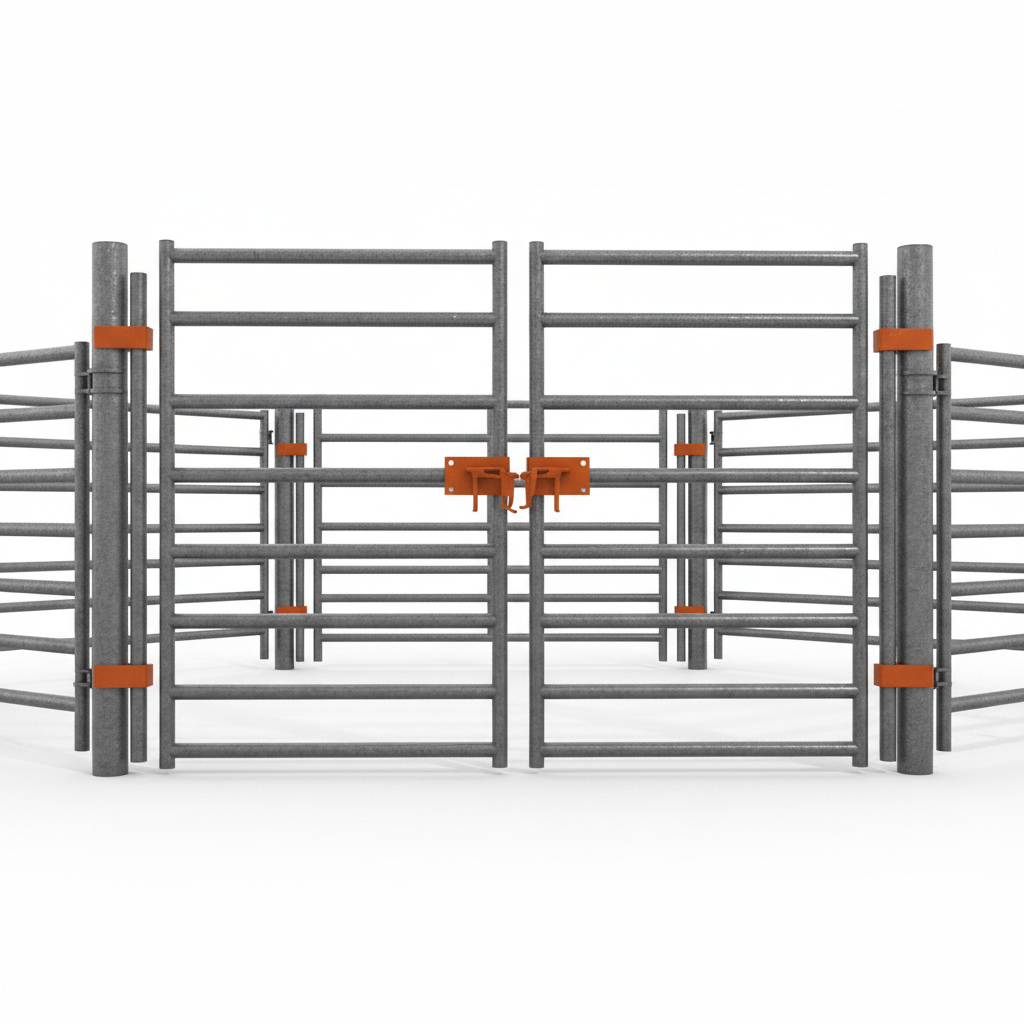
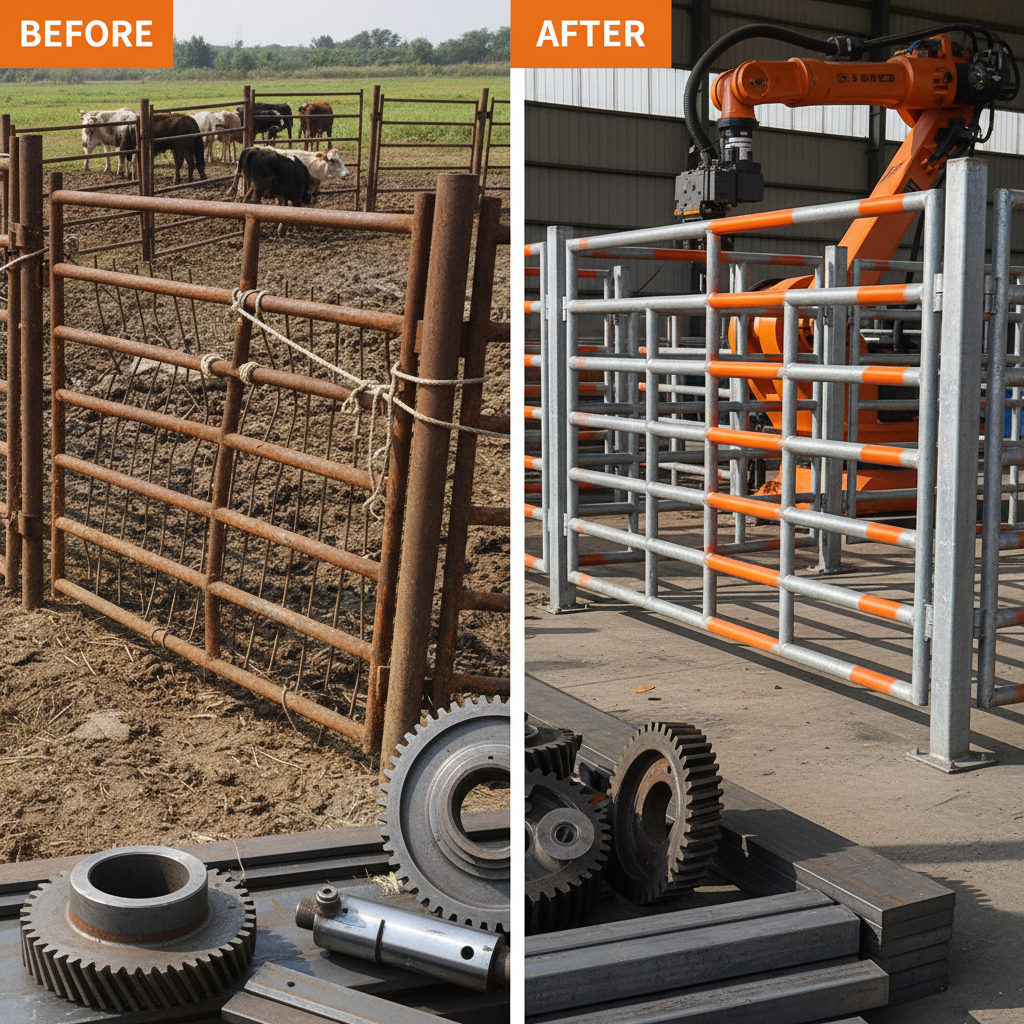
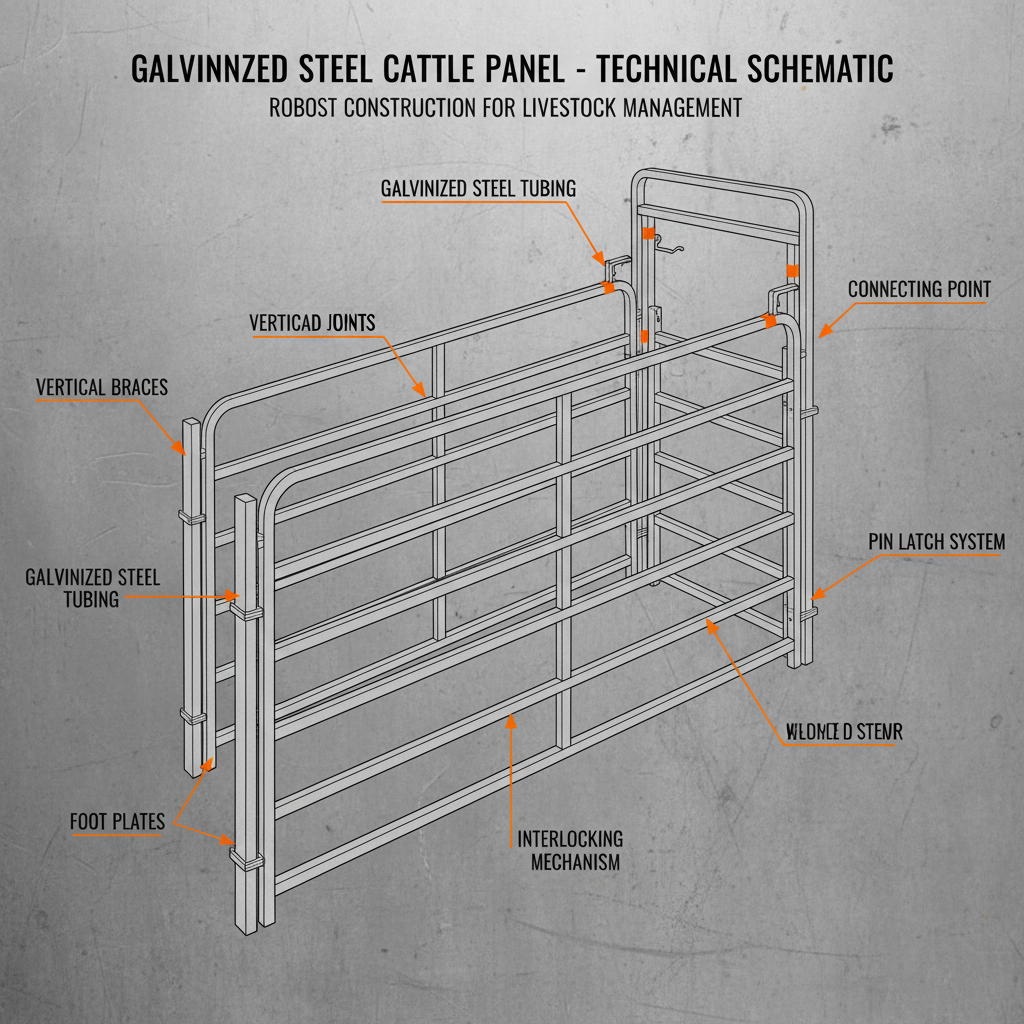
Galvanized cattle panels are constructed from welded wire mesh, typically with a square or rectangular grid pattern. The steel wire undergoes a galvanization process – a coating of zinc – which provides excellent corrosion resistance. This is particularly important in agricultural settings where exposure to the elements is constant. SYSW Wire Mesh offers a variety of galvanized cattle panel options to suit different livestock types and fencing needs. The panels are designed for easy installation and are significantly more durable than traditional wood fencing, reducing long-term maintenance costs.
Key Benefits: Corrosion resistance, durability, easy installation, reduced maintenance, secure livestock containment.
Applications of Galvanized Cattle Panels
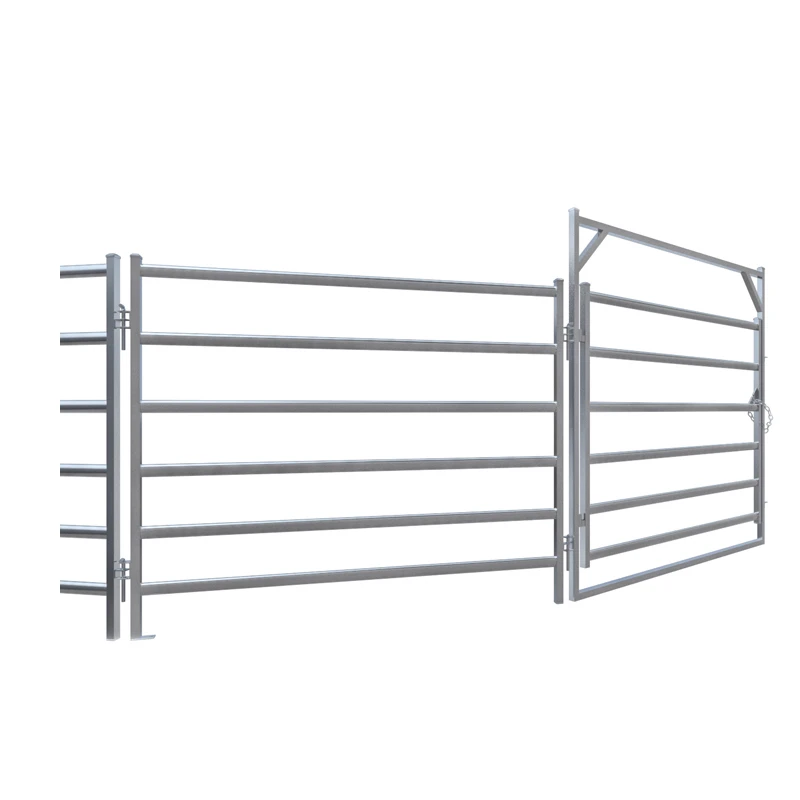
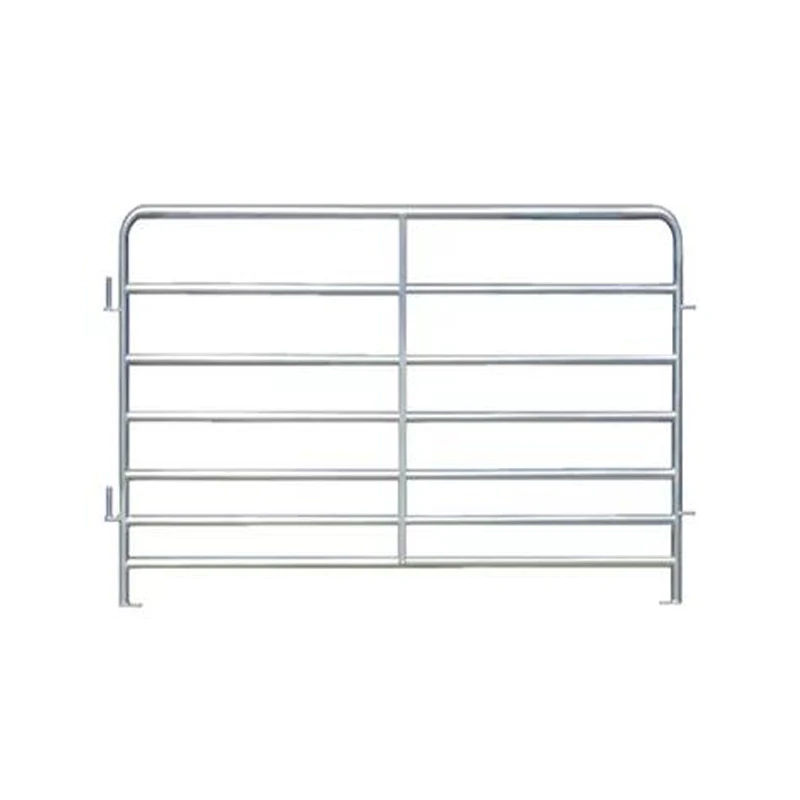
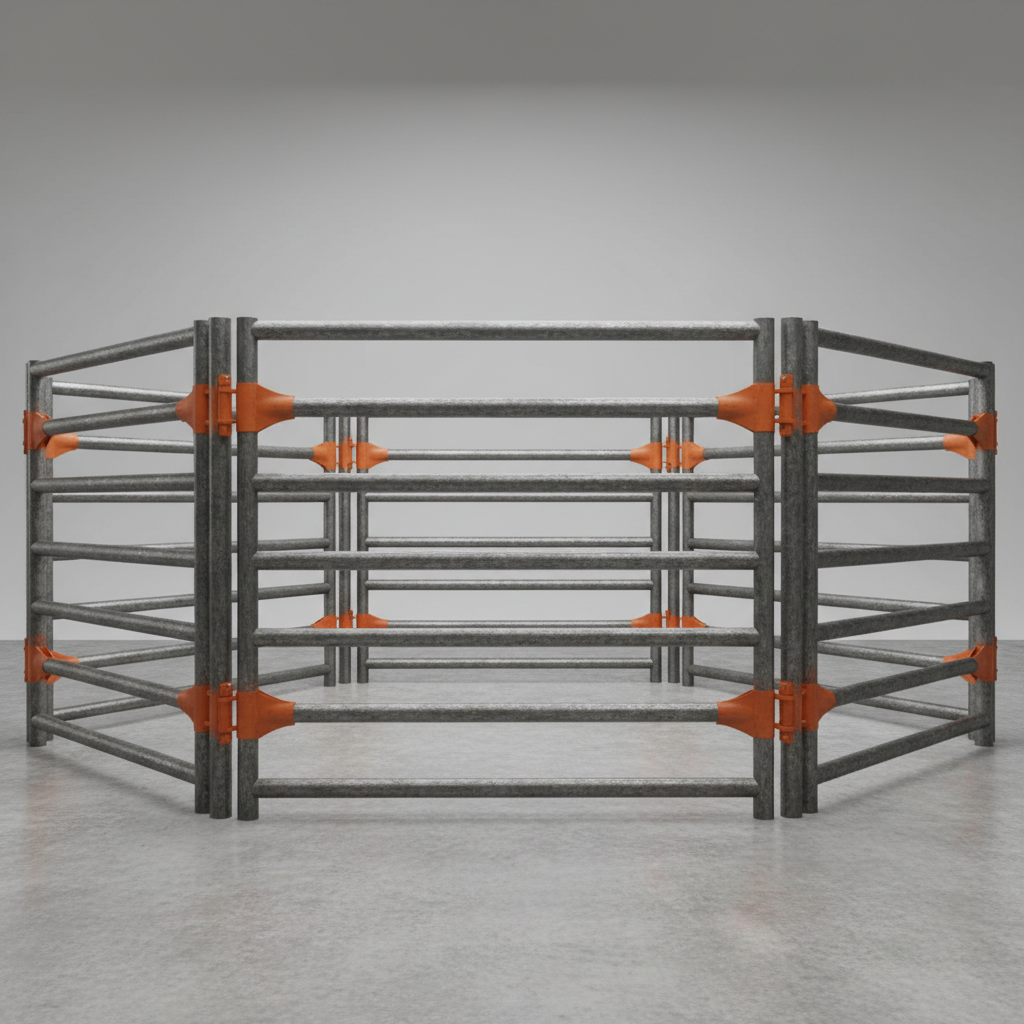
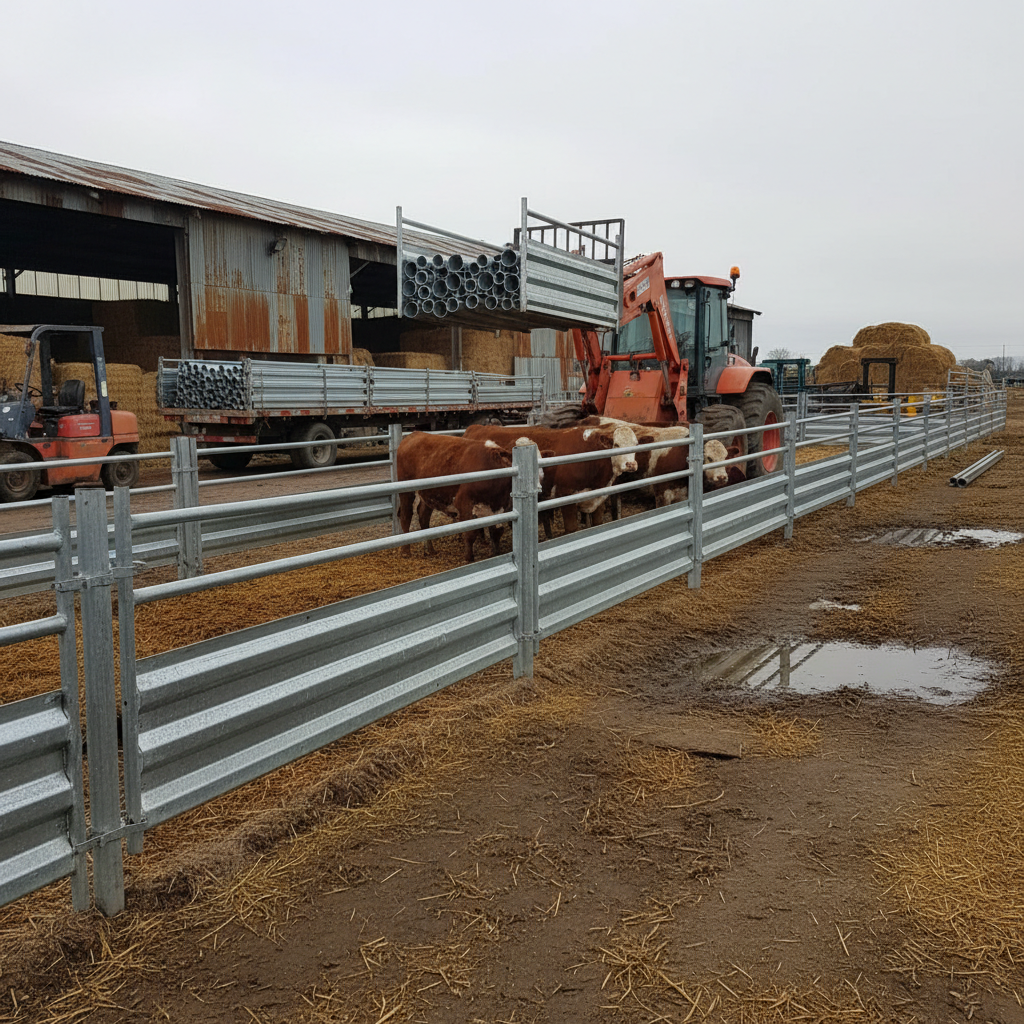
Galvanized cattle panels are incredibly versatile and can be used for a wide range of applications beyond simply containing cattle. They are ideal for creating temporary or permanent pens, corrals, feedlots, and even arena fencing. Their strength makes them suitable for larger livestock like bulls and horses. They are also used for sheep, goats, and other farm animals. Portable panels are particularly useful for rotational grazing systems, allowing farmers to easily divide pastures and manage livestock movement. These panels are essential for livestock management operations, ensuring safe and efficient handling of animals.
Common Applications:
• Cattle containment
• Horse stalls and arenas
• Sheep and goat enclosures
• Temporary pens and corrals
Galvanized Cattle Panels: Specifications and Options
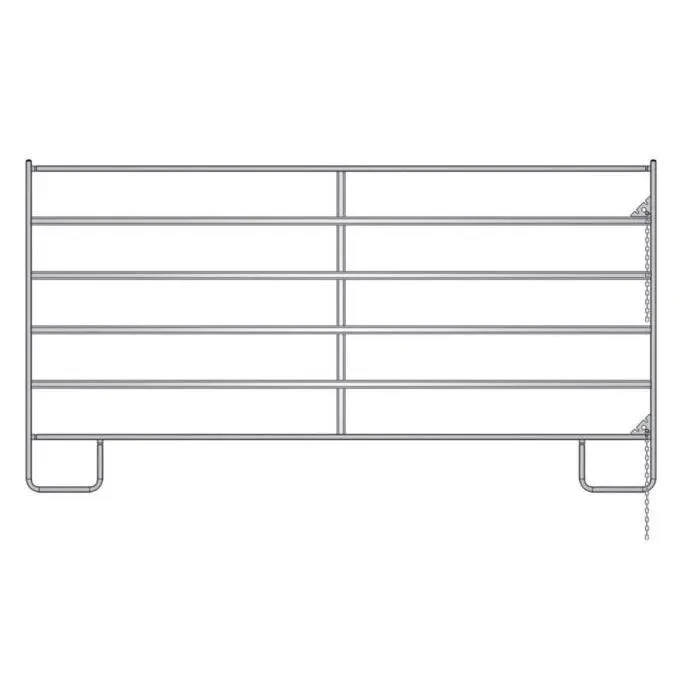
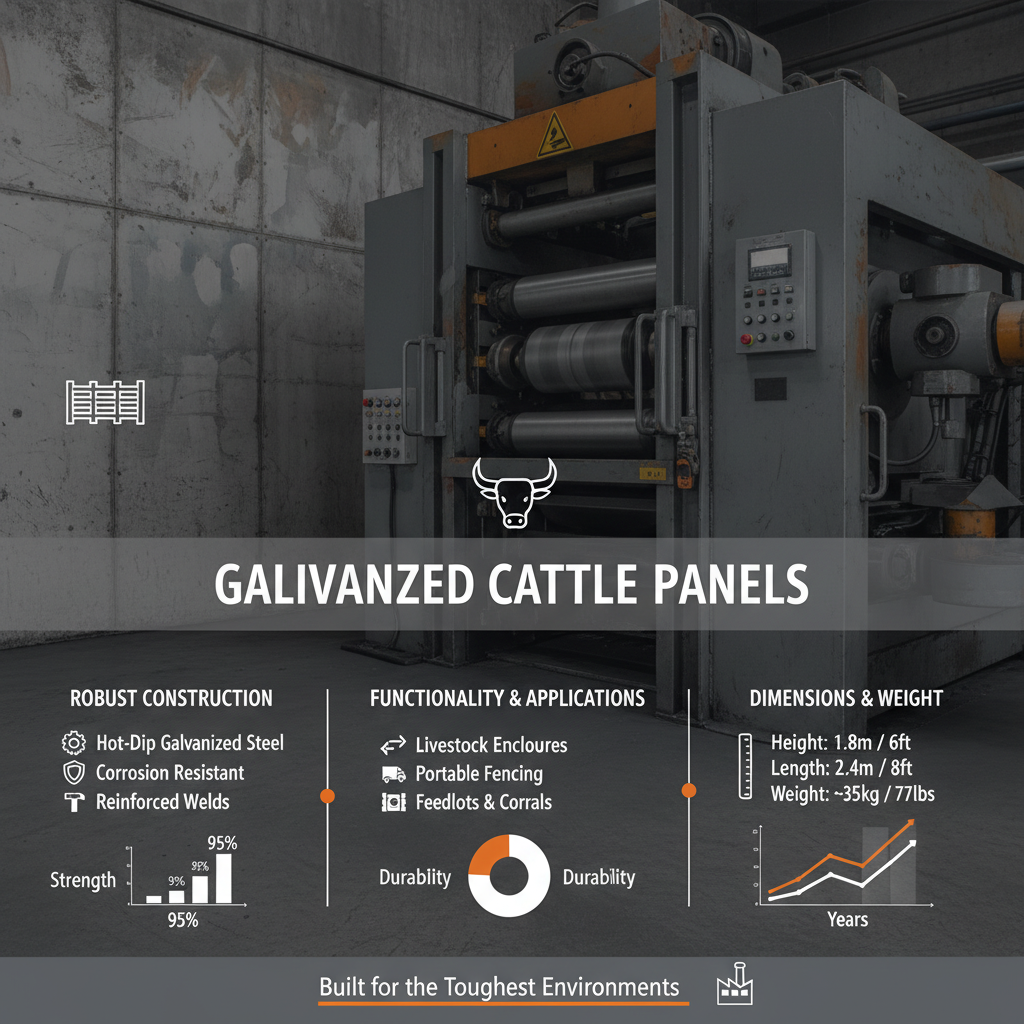
SYSW Wire Mesh offers galvanized cattle panels in a variety of sizes and configurations. Understanding these specifications is important for selecting the right panels for your needs. Panel height typically ranges from 4 to 6 feet, while length is generally between 8 and 16 feet. Wire gauge, the thickness of the steel wire, also varies, with heavier gauges providing greater strength and durability. Consider the size and temperament of your livestock when determining the appropriate specifications.
Comparing Galvanized Cattle Panels to Other Fencing Options
While various fencing materials are available, galvanized cattle panels offer a compelling combination of benefits. Compared to wood fencing, they require significantly less maintenance and are far more resistant to rot and insect damage. Compared to electric fencing, they provide a physical barrier, offering enhanced security. While barbed wire is a cheaper option, it poses a risk of injury to livestock. Galvanized cattle panels provide a safe, durable, and long-lasting fencing solution.
Ensuring Longevity: Installation and Maintenance
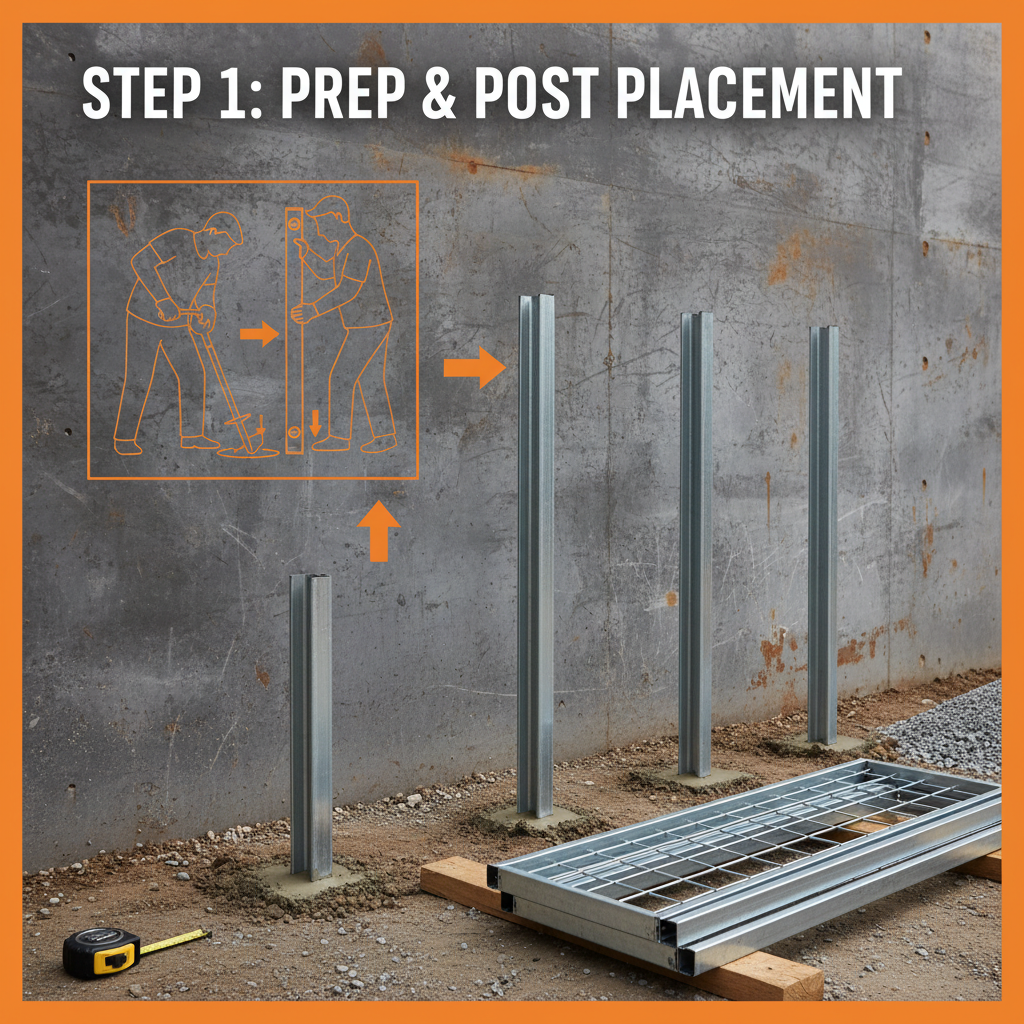
Proper installation and regular maintenance are essential for maximizing the lifespan of your galvanized cattle panels. Ensure posts are securely anchored in the ground and panels are correctly attached. Inspect panels periodically for any damage, such as broken wires or loose connections. Promptly repair any damage to prevent further deterioration. Avoid placing panels in areas prone to excessive wear or abrasion. Consider applying a protective coating periodically to enhance corrosion resistance. By following these simple guidelines, you can ensure your panels provide reliable service for years to come.
Conclusion: A Reliable Investment for Livestock Security
Galvanized cattle panels represent a wise investment for farmers and ranchers seeking a durable, secure, and low-maintenance fencing solution. Their versatility, strength, and corrosion resistance make them an ideal choice for a wide range of livestock applications. By choosing quality panels from a reputable supplier like SYSW Wire Mesh, you can ensure the safety and well-being of your animals for years to come.
Frequently Asked Questions (FAQs)
What is the expected lifespan of galvanized cattle panels?
The lifespan of galvanized cattle panels varies depending on environmental factors and the quality of the galvanization. Typically, properly maintained panels can last 20-30 years or even longer. Factors such as exposure to saltwater, acidic environments, or harsh chemicals can accelerate corrosion and reduce lifespan. Choosing panels with a thicker zinc coating (Class 3 galvanization) will significantly extend their service life. Regular inspection and maintenance, including cleaning and repairing any damaged areas, are crucial for maximizing longevity.
How do I properly install galvanized cattle panels?
Proper installation involves setting sturdy posts (wood or metal) at appropriate intervals – typically 8-10 feet apart. Ensure posts are securely anchored in the ground to withstand livestock pressure. Panels should be attached to the posts using sturdy clips or wire ties, ensuring they are securely fastened and cannot be easily dislodged. It's crucial to maintain consistent panel height and alignment for optimal security. Consider using corner posts and bracing for added stability, especially in high-pressure areas. Always follow the manufacturer's recommendations for specific installation guidelines.
Are galvanized cattle panels safe for all types of livestock?
Galvanized cattle panels are generally safe for most types of livestock, including cattle, horses, sheep, and goats. However, it’s important to consider the specific needs of your animals. For example, smaller livestock like lambs or kids may be able to slip through larger mesh openings. Choosing panels with smaller openings or adding a lower wire can prevent this. Ensure panels are free of sharp edges or protruding wires that could cause injury. Always monitor your livestock and make adjustments as needed to ensure their safety and well-being.
What maintenance is required for galvanized cattle panels?
Regular maintenance is crucial for maximizing the lifespan of galvanized cattle panels. Inspect panels periodically for any damage, such as broken wires, loose connections, or corrosion. Repair any damage promptly to prevent it from worsening. Clean panels periodically to remove dirt, debris, and manure, which can contribute to corrosion. Consider applying a protective coating, such as zinc-rich paint, to enhance corrosion resistance. Ensure posts remain secure and panels are properly aligned.