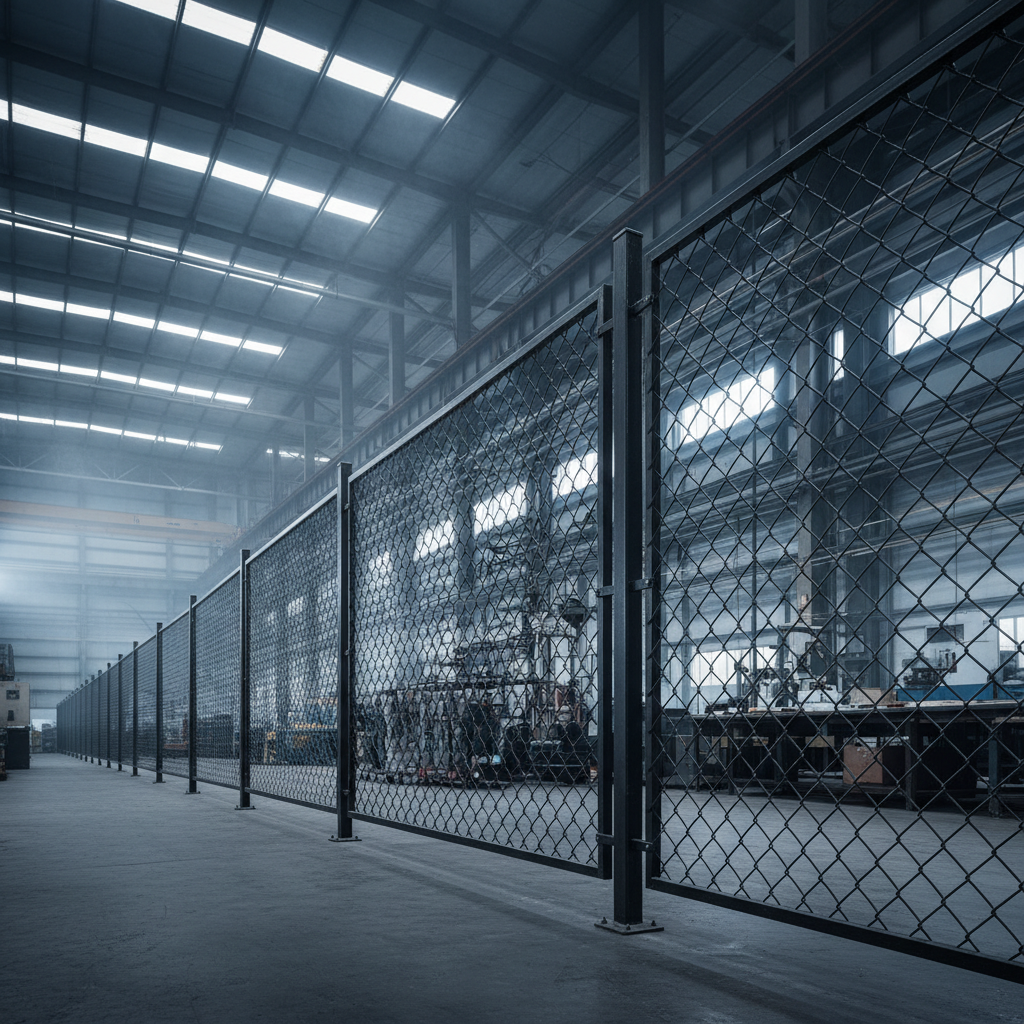
When it comes to securing a perimeter, building a chain link fence remains one of the most reliable and versatile solutions available in the modern construction and industrial landscape. From residential backyards to high-security industrial complexes, the ability to create a transparent yet formidable barrier is essential for maintaining safety and defining boundaries without completely obstructing the view.
The global demand for durable fencing solutions has surged as urban expansion and industrial zoning require more efficient ways to manage space. Whether you are looking to protect livestock, secure a construction site, or manage crowds at a large-scale event, understanding the technical nuances of installation and material selection is key to ensuring the longevity of the structure.
By focusing on the synergy between high-quality galvanized steel and precise installation techniques, building a chain link fence becomes more than just a manual task; it is an investment in long-term asset protection. In this comprehensive guide, we will explore the professional standards, material choices, and strategic steps required to achieve a commercial-grade result.
Fundamental Principles of Building a Chain Link Fence
The core philosophy behind building a chain link fence is the balance between structural rigidity and flexibility. Unlike solid walls, a chain link system allows wind to pass through, reducing the load on the posts during storms, while the interlaced wire mesh provides a continuous barrier that is difficult to breach without specialized tools. This makes it an ideal choice for regions with extreme weather conditions.
Furthermore, the geometric stability of the diamond mesh is a result of precise weaving processes. When properly tensioned, the fence distributes force across the entire network, ensuring that a localized impact does not lead to a total structural failure. This engineering principle is what allows these fences to remain functional for decades with minimal intervention.
Essential Material Selection and Specifications
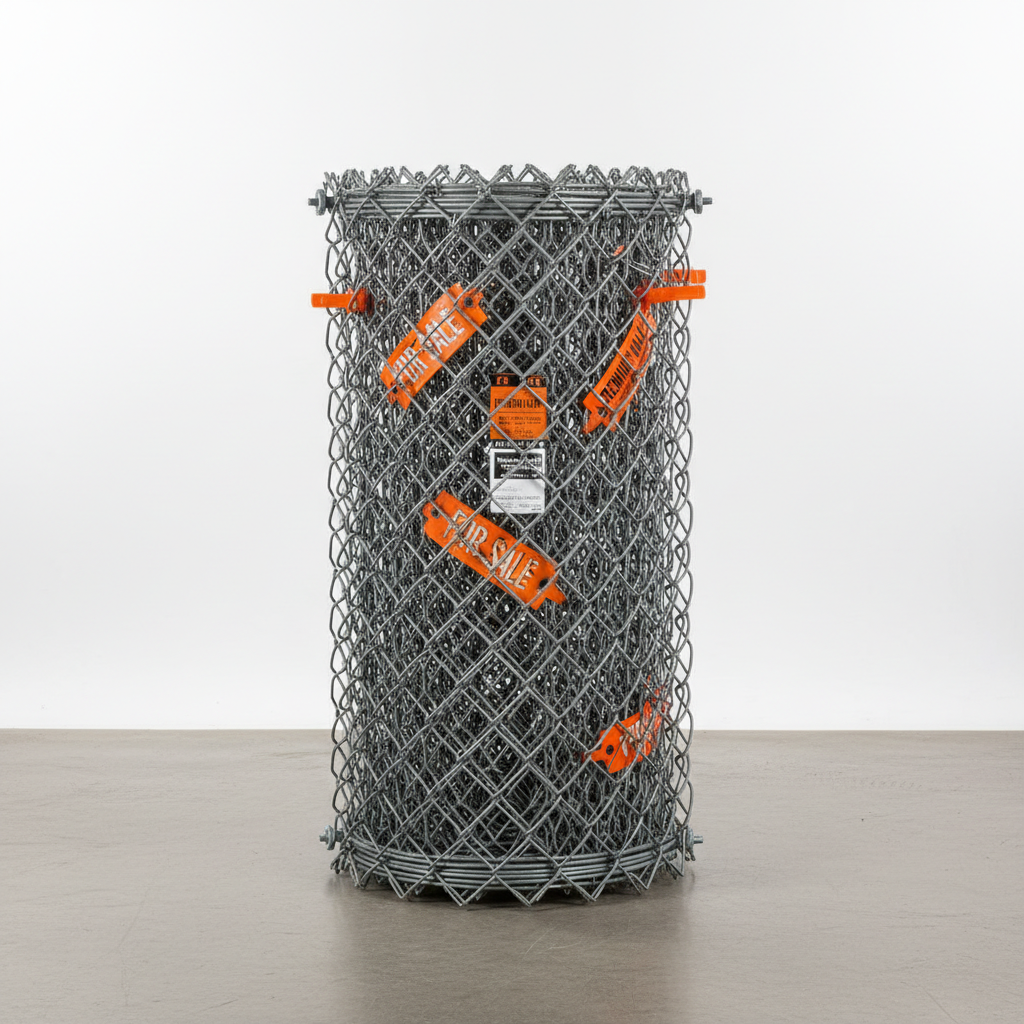
Selecting the right materials is the most critical phase of building a chain link fence. Most professional installations utilize hot-dipped galvanized steel, which provides a thick layer of zinc protection against corrosion. For coastal areas or highly industrial zones where salt spray or chemical fumes are present, PVC-coated wire is often preferred to provide an additional moisture barrier and a more aesthetic appearance.
The gauge of the wire determines the strength of the fence. A lower gauge number indicates a thicker wire; for instance, 9-gauge wire is significantly more robust than 11-gauge, making it the standard for permanent security fences. Additionally, the mesh size (typically 2 inches) must be chosen based on what the fence is intended to keep in or out, such as livestock or unauthorized personnel.
Post selection is equally vital. Terminal posts, which support the ends and corners, require a larger diameter and deeper concrete footing than line posts. By matching the post strength to the tension of the fabric, you ensure that the fence remains taut and professional-looking over time, avoiding the dreaded "sagging" effect common in amateur installations.
Step-by-Step Installation Process for Maximum Stability
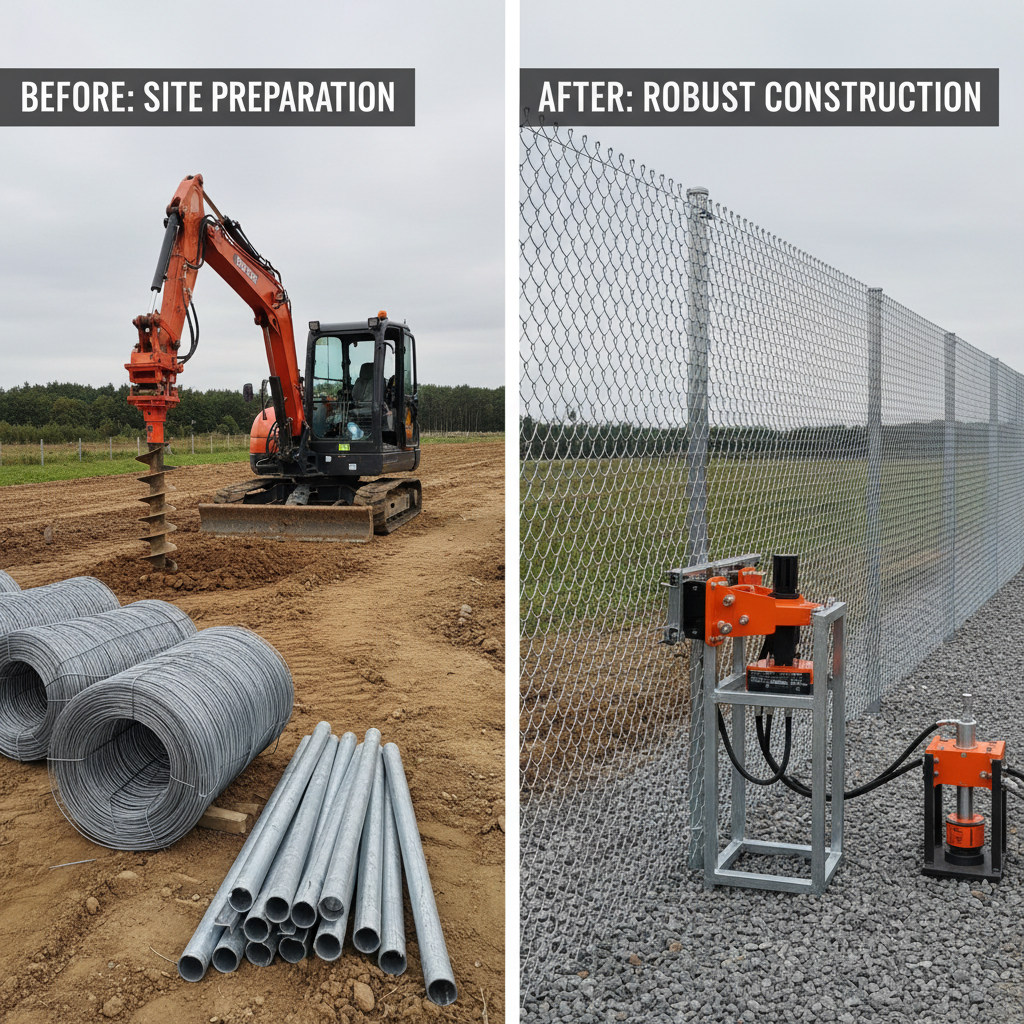
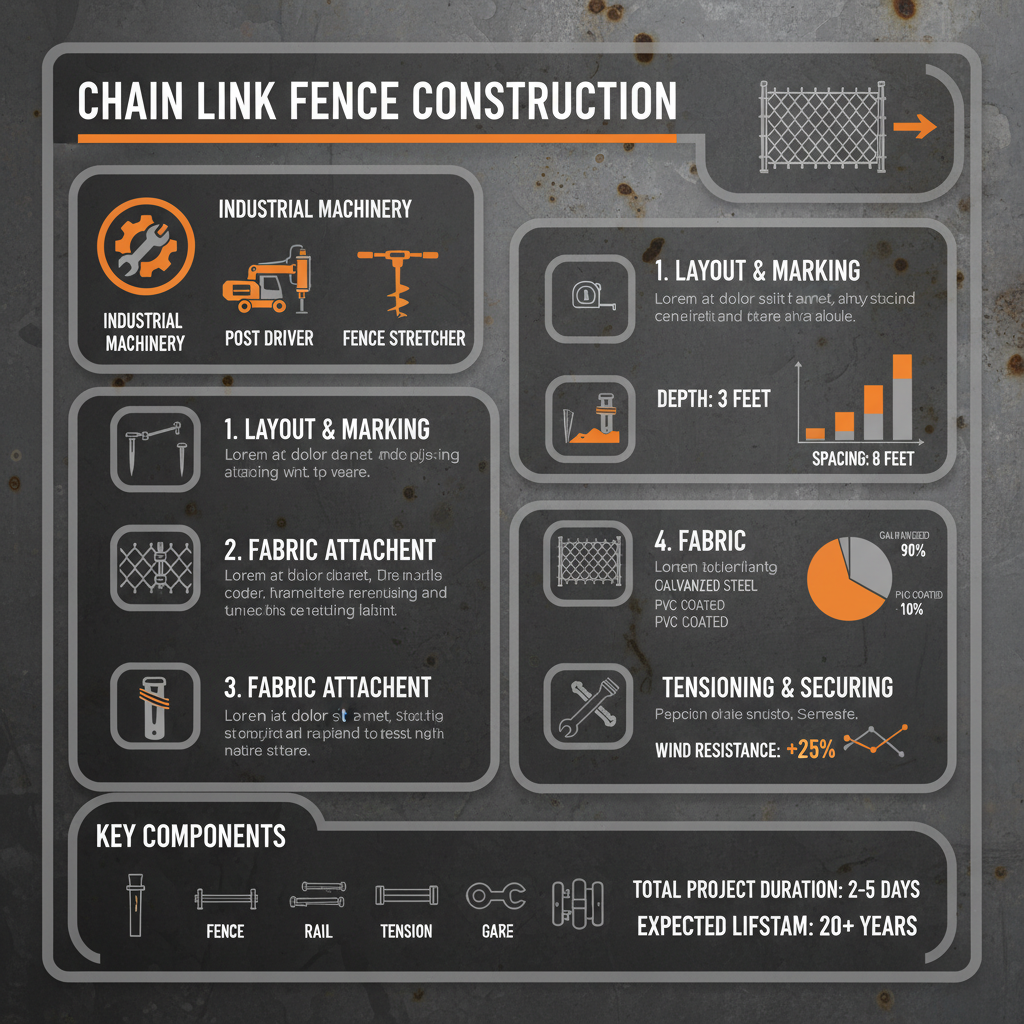
The initial stage of building a chain link fence begins with accurate site surveying and marking. Professionals use a string line to ensure the fence runs in a perfectly straight path, marking the exact locations for terminal and line posts. Digging the holes to a depth that falls below the local frost line is essential to prevent heaving during winter months.
Once the posts are set in concrete, the tensioning process starts. This involves attaching the top rail and stretching the chain link fabric using a fence stretcher. When building a chain link fence, the tension must be uniform; if one section is tighter than another, it creates uneven stress points that can lead to premature wire fatigue or post leaning.
The final touch involves securing the fabric to the posts using tension bars and ties. Using high-quality aluminum or galvanized ties every 12 inches ensures the mesh stays flush against the framework. A final inspection for sharp edges and gaps at the bottom of the fence ensures that the security perimeter is complete and safe for all users.
Comparative Analysis of Fencing Methods
Depending on the project goals, different approaches to building a chain link fence can be adopted. Residential methods often prioritize cost and speed, utilizing lighter gauge materials and shallower footings. In contrast, industrial-grade installations focus on "Permanent Security Fences," incorporating heavier rails, barbed wire toppers, and reinforced concrete bases to deter intruders.
Temporary fencing options offer a different value proposition, focusing on rapid deployment and portability. While they share the same mesh characteristics, they utilize freestanding bases instead of permanent posts, making them ideal for crowd control barriers or short-term construction site security.
Efficiency and Durability Ratings for Building a Chain Link Fence Methods
Global Applications and Industrial Use Cases
Across the globe, the practice of building a chain link fence is utilized in diverse environments. In North America and Europe, it is the gold standard for sports facilities and school perimeters due to its visibility and strength. In emerging industrial zones across Asia and Africa, chain link systems are deployed rapidly to secure large-scale manufacturing plants and logistics hubs, providing a cost-effective way to manage vast territories.
Beyond simple security, these fences are critical in livestock management. Farmers utilize specific mesh sizes to prevent predator intrusion while ensuring cattle or sheep remain contained. In remote industrial zones, such as mining sites or oil fields, the resilience of galvanized steel ensures the fence survives harsh environmental exposure without requiring frequent replacement.
Long-Term Maintenance and Value Preservation
While chain link fences are known for their low maintenance, proactive care can double their lifespan. The primary threat to a fence is oxidation. Regularly inspecting the joints and tension wires for signs of rust allows for early intervention, such as applying cold-galvanizing spray to touch up scratched areas.
Another key aspect of maintenance is ensuring the tension remains constant. Over several years, the fabric may stretch slightly due to temperature fluctuations or physical impact. Using a come-along tool to re-tension the fabric prevents the mesh from sagging, which not only restores the aesthetic appeal but also maintains the security integrity of the barrier.
Finally, vegetation control is essential. Overgrown vines or shrubs can put undue pressure on the mesh or trap moisture against the metal, accelerating corrosion. Keeping the fence line clear of debris and foliage ensures that the structural components are not compromised by biological growth.
Future Trends in Perimeter Security Materials
The evolution of building a chain link fence is now intersecting with digital transformation and sustainable materials. We are seeing the rise of "smart fences," where sensors are integrated into the mesh to detect vibrations or breaches in real-time, alerting security personnel via mobile apps. This transforms a passive physical barrier into an active security system.
Sustainability is also driving innovation. New alloys are being developed that offer superior corrosion resistance without the heavy environmental footprint of traditional smelting processes. Additionally, there is a growing trend toward using recycled steel in the production of Tubular Fences and Crowd Control Barriers, reducing the carbon footprint of large-scale infrastructure projects.
Automation is also entering the installation phase. While manually building a chain link fence is a traditional craft, the use of precision augers and automated tensioning machinery is reducing labor costs and increasing the consistency of installations in large commercial projects.
Analysis of Modern Fence Material Performance and Longevity
| Material Type |
Corrosion Resistance |
Installation Speed |
Life Expectancy (Years) |
| Galvanized Steel |
High |
Moderate |
20-30 |
| PVC Coated Steel |
Very High |
Moderate |
30-50 |
| Aluminum Alloy |
Exceptional |
Fast |
50+ |
| Black Vinyl Coated |
High |
Moderate |
25-35 |
| Electro-Galvanized |
Medium |
Fast |
10-15 |
| Reinforced Steel Mesh |
High |
Slow |
40-60 |
FAQS
Hot-dipped galvanized steel is widely considered the most durable for general use due to its thick zinc coating. However, for environments with high salt levels or chemical exposure, PVC-coated galvanized steel is the superior choice as it adds a plastic shield that prevents the metal from coming into direct contact with corrosive elements, significantly extending the life of the fence.
As a general rule, posts should be buried at least 2 to 3 feet deep, depending on the height of the fence and the soil conditions. In colder climates, it is critical to dig below the local frost line to prevent "frost heave," where the freezing and thawing of groundwater push the posts upward, causing the fence to lean or sag over time.
While it is possible to use drive-in posts for temporary or agricultural fencing, permanent installations require concrete. Concrete provides the necessary lateral stability to withstand the tension of the stretched mesh. Without it, the terminal posts (corners and ends) would likely bend under the pressure of the tension bars, compromising the entire structure.
Sagging is usually caused by insufficient tension or post movement. To fix it, use a fence stretcher or a come-along tool to pull the fabric tight toward the terminal post. Once tensioned, secure the fabric firmly with a tension bar and bolts. Regularly checking and tightening the ties every few years can also prevent the mesh from drooping.
The gauge refers to the thickness of the wire. In the gauge system, a smaller number means a thicker wire. 9-gauge wire is thicker and stronger, making it the standard for commercial and high-security applications. 11-gauge is thinner and more flexible, which is often used for residential backyard fences where extreme security is not the primary concern.
Yes, in terms of longevity and visibility. Chain link fences do not rot, warp, or require painting like wood does. They also provide a clear line of sight, which is essential for surveillance and security monitoring. While they offer less privacy, they are significantly more durable and harder to breach when installed with professional-grade galvanized steel.
Conclusion
Building a chain link fence is a strategic combination of material science and precise mechanical installation. By prioritizing high-quality galvanized steel, adhering to proper post-depth standards, and ensuring uniform tension across the mesh, you create a perimeter that is both cost-effective and exceptionally durable. Whether for industrial security, agricultural containment, or residential boundaries, the versatility of the chain link system remains unmatched in the fencing industry.
As we move toward a future of smarter and more sustainable infrastructure, the fundamental principles of the chain link fence will continue to evolve, integrating new alloys and digital monitoring systems. For those seeking a reliable, long-term security solution, investing in professional materials and installation techniques is the only way to ensure total peace of mind. Visit our website for premium solutions: www.sysecurityfence.com